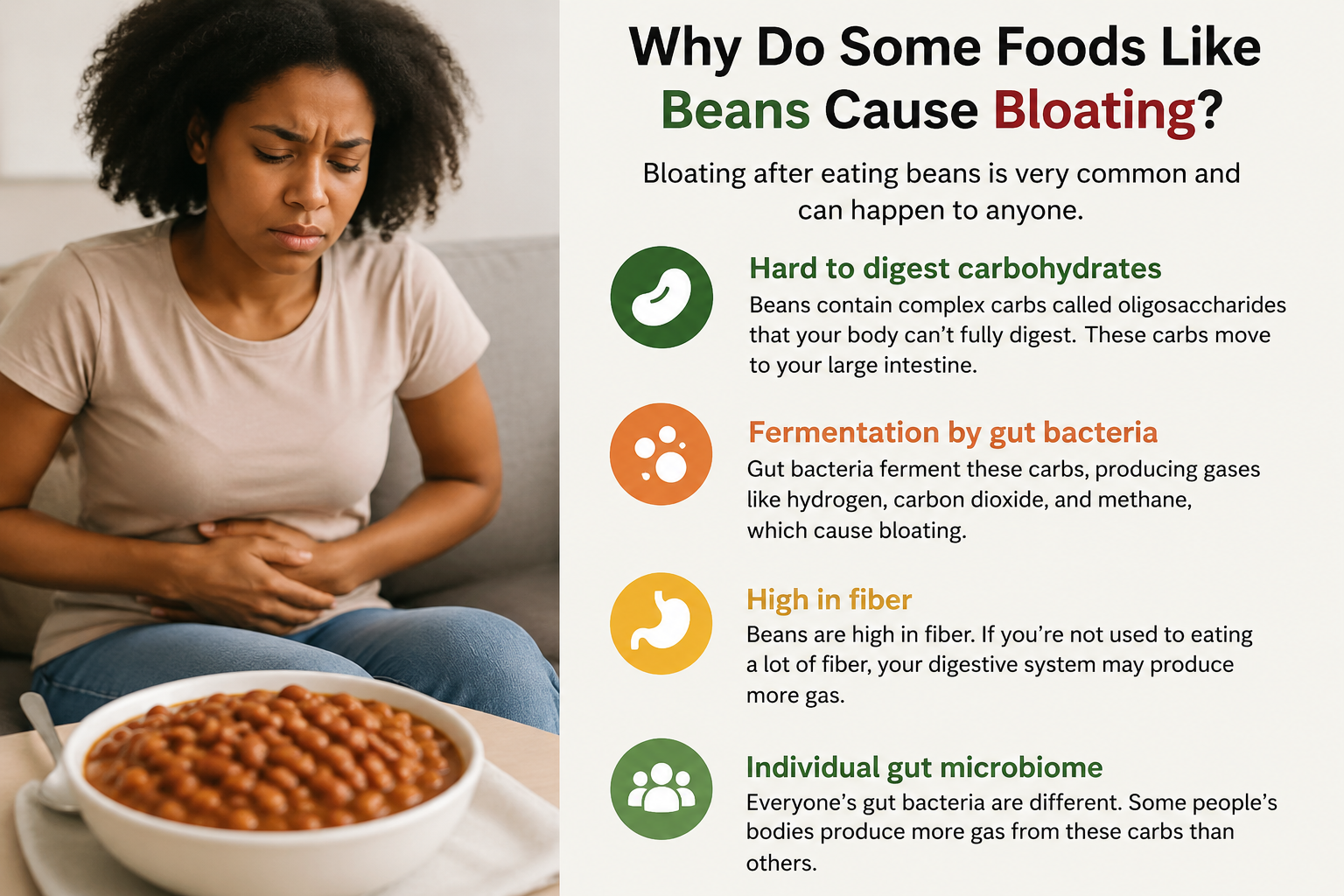
- Hello doctor why is it that when I eat some foods like beans, I get bloated? Dinah
Dear Dinah,
Bloating is the feeling of tightness, pressure or fullness in your belly.
Background
The stomach is a battle ground between the forces of attack which include an acid called hydrochloric acid, an enzyme called pepsin, a bacterial infection called helicobacter pylori (H.pylori) and a salt from the gall bladder called bile with the defense mechanism comprising of a mucus secretion from the cells (cellular mucus), secretion of an acid filter called bicarbonate, volume of blood circulating through the mucus membranes (mucosal blood flow) and creation of new cells (cell turnover).
When the forces of attack exceed or over power these defense mechanism, you experience symptoms namely; epigastric discomfort often related to hunger, specific foods, or time of day, fullness after meals, heartburn (retrosternal pain), pain in epigastrium.
Bloating
Overgrowth of H. pylori which leads to large production of an enzyme called urease which leads to the production of a gas called ammonia leads to distension, bloating and frequent belching.
The inflammation caused by the infection slows down the movement of food from stomach to intestines (gastric emptying) as well which keeps food in the stomach for ever, worsening the uncomfortable feeling of fullness.
Treatment
- Maintaining the balance of power so all may prosper by optimising protection of stomach cells from damage (cytoprotection) using antacids (e.g. sucralfate gel).
- Test and treat for H. pylori.`
- Be referred for urgent endoscopy if there are treatment-refractory symptoms (no response to standard treatment).
- The foods triggering these symptoms should be avoided until the balance is achieved.
- Hello Doctor, is it true that processed foods and sugar are bad for reproductive health and are likely to cause infertility and reproductive health diseases? If yes, what eating habits can promote reproductive health? – Jenipher
Dear Jenipher,
The causes of infertility can be male, female or mixed. The best model is that of patient-centred care within specialist teams where the patients can be given evidence-based care, adequate counselling and information regarding the relevant support groups.
General causes of infertility
Before we worry about food, we have to be aware about the general issues that most commonly affect fertility namely:
- Age: natural conception declines significantly in the female after 35 years of age. This is due to the decline in the quality of eggs and their numbers.
- Smoking: reduces fertility in females and semen quality in males.
- Sexual intercourse frequency: stress and anxiety may affect libido and number of times couples have sex thus impact on fertility. Recommended frequency is two to three times per week.
- Alcohol: excessive alcohol is harmful to the fertilized egg, and can also affect sperm quality.
- Body weight: Over or under weight can affect ovulation; women with a body mass index (BMI) of >29 or below 18.
Diet
The last point above makes it clear that it is very important to optimize one’s health before conception.
Although the literature on the relationship between diet and human fertility has greatly expanded over the last decade, there is scanty evidence in randomised trials which are the source of authentic conclusion in medicine.
Evidence has been provided in the following,
- Intake of supplemental folic acid up to 12 weeks, particularly at doses higher than those recommended for the prevention of neural tube defects, has been consistently related to lower frequency of infertility, lower risk of pregnancy loss, and greater success in infertility treatment.
- Vitamin D does not appear to exert an important role in human fertility in the absence of deficiency.
- Antioxidant supplementation does not appear to offer any benefits to women undergoing infertility treatment.
- Dairy and soy, once proposed as reproductive toxicants, have not been consistently related to poor fertility.
- The evidence of a potentially deleterious effect of moderate alcohol and caffeine intake on the ability to become pregnant seems less solid than it once did.
- It has been known for years that body fat affects reproduction. Women need to eat more fat containing food so that they may not have difficulty maintaining a pregnancy or stop menstruating altogether.
- Bearing in mind that women with too much body fat often have difficulty conceiving because many of which affect ovulation.
While a complete picture of the role of nutrition on fertility is far from complete, much progress has to be made through many randomised trials.