Susan Gakwavu, the founder of the New Life Autism Foundation, has dedicated her life to improving the welfare of autistic children. With roots in both Uganda and the United States, she has embarked on a journey filled with purpose, challenges, and triumphs, striving to make a meaningful difference in the lives of those affected by autism.
Genesis
Gakwavu’s inspiration stems from a deeply personal experience. Growing up, she witnessed her mother care for her sister, who suffered from autism. Tragically, her sister passed away in their mother’s arms, leaving a profound impact on Gakwavu.
Determined to be part of the solution, she made a promise to herself as a child that she would one day help people in similar situations. “This calling came subconsciously in my younger years. Our faith teaches us to be positive contributors to society, and God works in mysterious ways,” she reflects.
Now based in Los Angeles, California, where she has lived and worked for the past 18 years, Gakwavu has dedicated her career to supporting people with disabilities, especially children with autism. Her vision took shape after observing the needs of autistic children back home in Uganda.
“I saw the gap, and I knew I had to do something,” she says. With savings and support from friends and family, she brought the New Life Autism Foundation to life.
An oasis of hope
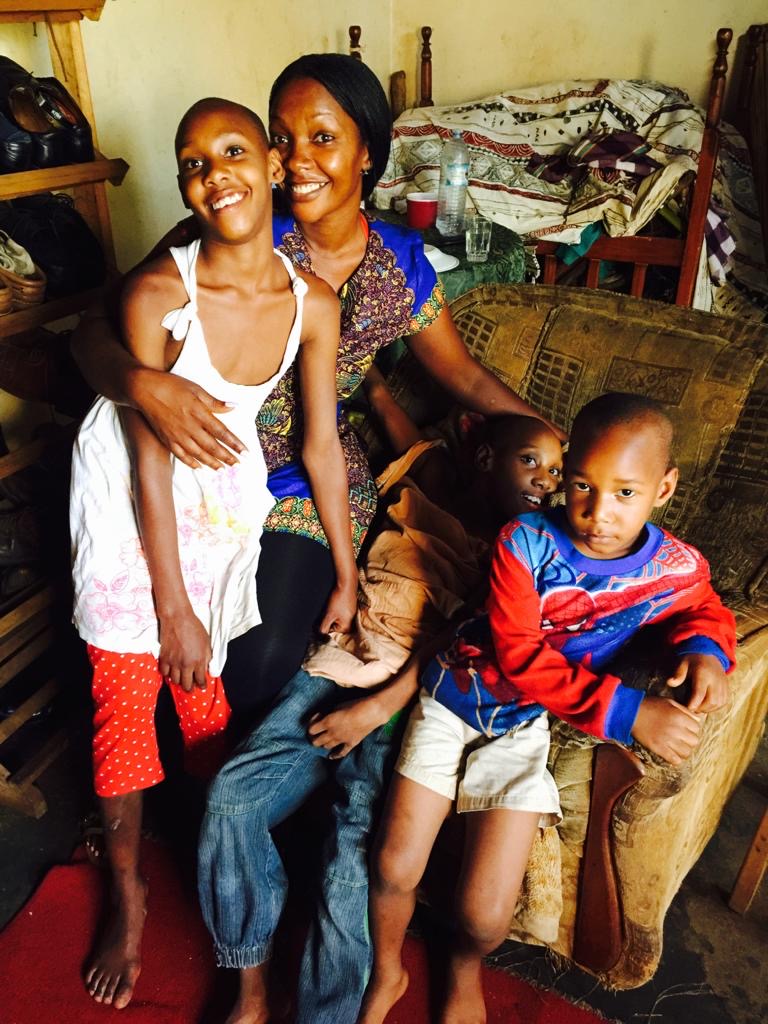
As a former president of the Uganda Community of California (UCOC), Gakwavu has always been passionate about helping vulnerable communities. Her foundation began modestly, working with twins Nakato and Babirye, whom she met through their father, a social worker at Mukono Hospital.
“I was driven by purpose,” she recalls and adds: “Although I was concerned about human resources and management, I assembled a team that has done an incredible job back home.”
Six years later, the New Life Autism Foundation is thriving under the leadership of its Ugandan representative, Cynthia Pacutho. The organisation has become a beacon of hope for autistic children and young adults in Uganda.
Global perspective
Gakwavu’s work extends beyond Uganda. Her organisation has an active chapter in the United States, where she continues to advocate for autistic children’s rights. “In America, children with autism have access to government funding and equal opportunities, something we lack in Africa. That’s why I am pushing for the Ugandan Ministry of Education to get more involved,” she says.
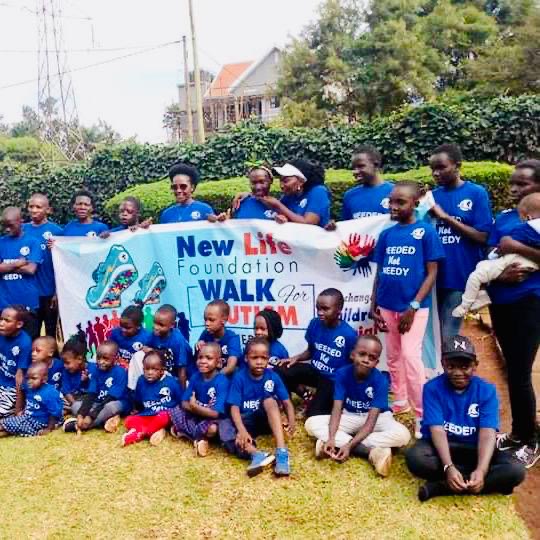
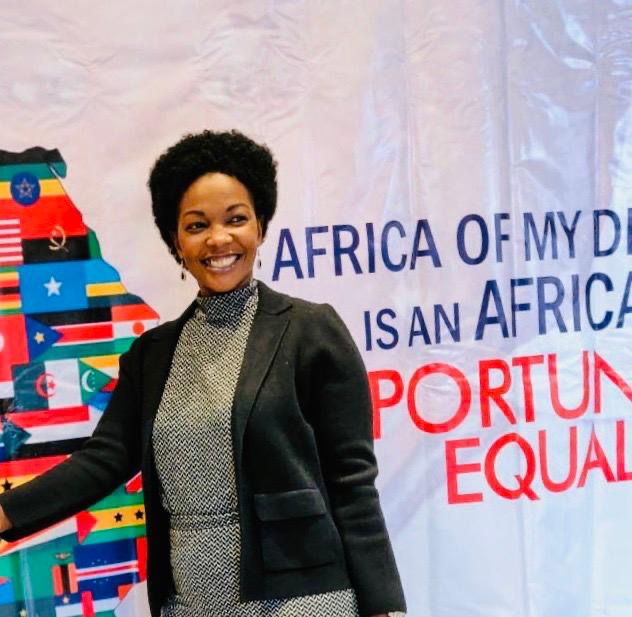
She actively participates in global forums, such as the annual Pan African Congress on Autism (PACA). The most recent conference, held in Nairobi, Kenya, brought together representatives from 21 African countries. “We’ve partnered with organisations like Girls’ Education Challenge (UK), CRAN (Children at Risk Action Network), the Ministry of Education, and VIVA Together for Children,” she shares. These partnerships have enabled the foundation to secure vital resources, such as a resource guide identification tool for children.
In the US, she emphasises the importance of parental involvement, therapy, and early childhood intervention. “Parents play a crucial role in their children’s development. We also tailor therapy sessions to each child’s needs, helping them reach their full potential,” she explains.
She has also used media platforms like Voice of America (VOA) to raise awareness about autism. Her future plans include securing more funding and working with organisations like Autism Speaks and Global Autism Project to establish a larger home for autistic children in Uganda.
Core advocacy
As an applied behavioural therapist, Susan is passionate about educating people on Autism Spectrum Disorders (ASDs). These complex, brain-based disorders affect behaviour, social interaction, and communication skills.
“People with ASDs have unique ways of learning and reacting to sensations. Their abilities range from gifted to severely challenged, but autism should never define the quality of someone’s life,” she explains.
Her approach is deeply personal. “I tailor my interaction with each child to help them feel loved and empowered. Every child is born with a unique personality, skill set, and potential. Autistic children are special—they have untapped abilities and skills,” she says.
Children’s journey
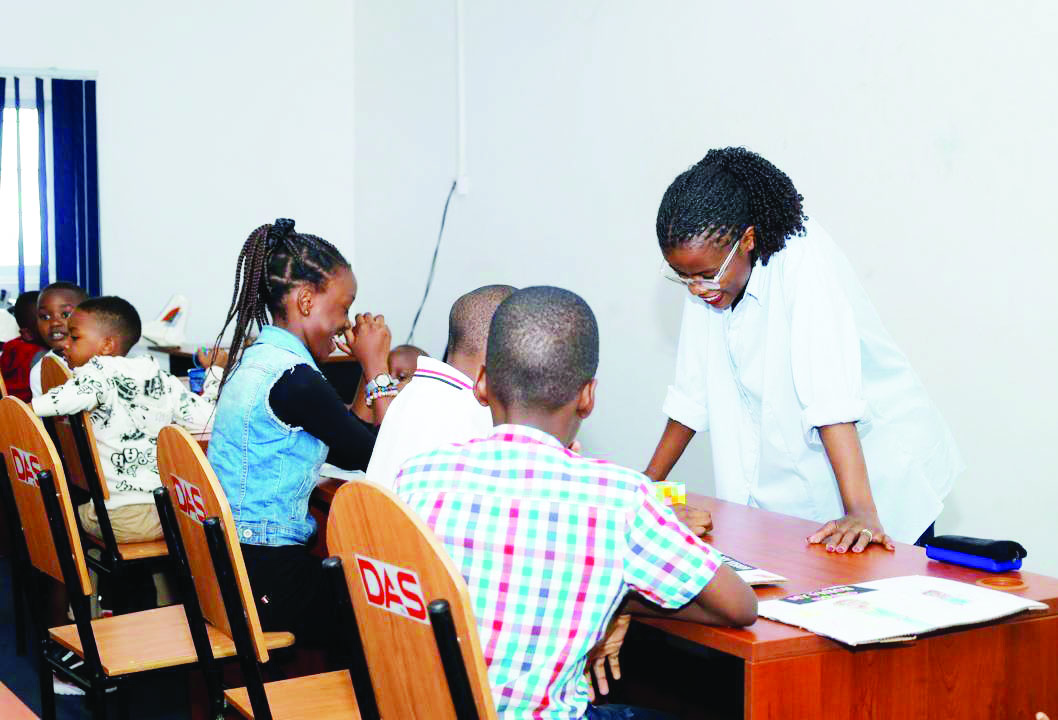
Gakwavu ensures that autistic children in her care are exposed to enriching environments to help them learn and grow. She takes them to community events, recreational parks, and field trips to museums, historical sites, and workplaces.
“These children deserve the opportunity to acquire life skills and contribute to society,” she says. Activities such as art and music therapy, computer lessons, and household tasks like cooking and cleaning are part of the foundation’s efforts to develop their independence and confidence.
Looking ahead
Despite the challenges, including societal stigma and limited resources, Gakwavu finds fulfilment in her work.
“I manage by the grace of God. Luke 12:48 says, ‘To whom much is given, much is expected.’ Our love and passion for these children keep us going. We’ve built a family-like relationship with their parents,” she says.
She believes conversations about autism are crucial. She encourages parents to attend workshops and conferences like PACA to learn how to manage and support their children.
“We must sensitise communities, train more behavioural therapists, and invest in nutrition, facilities, and programmes for autistic children and young adults,” she says.
In a world where autistic children are often misunderstood and marginalised, Gakwavu is determined to change perceptions. Through her unwavering commitment, she has created a legacy of hope and empowerment for autistic children and their families.