

By Nicholas Akasula
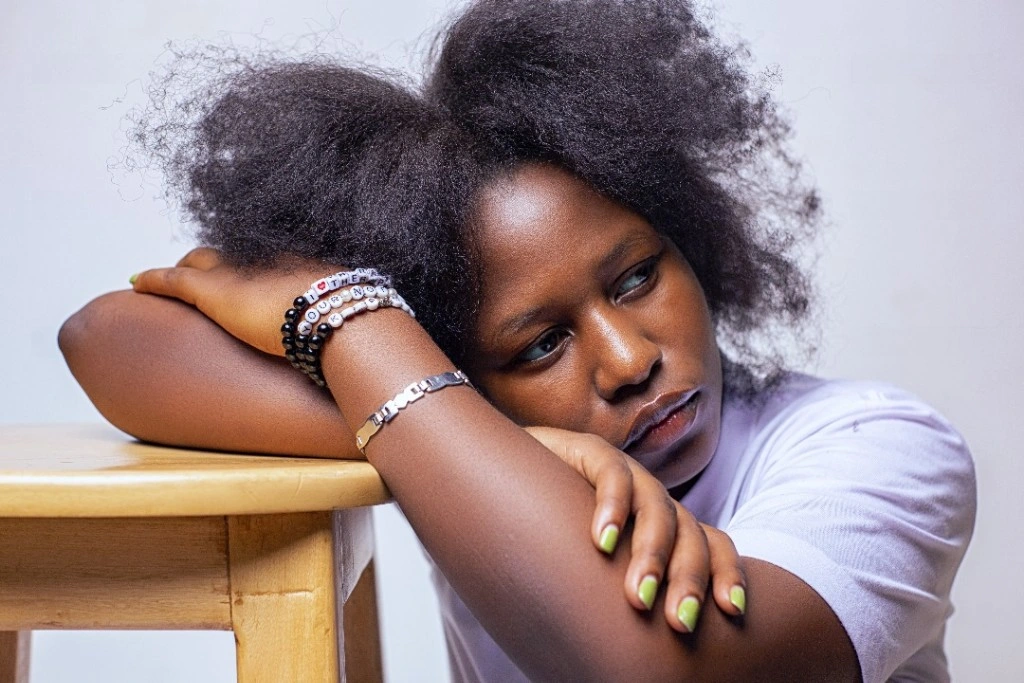
On the surface, Sharon Nambakire is confident, warm and quick to smile. She speaks passionately about hope and healing. But behind that steady voice is a story of hardship, grief and a battle with depression that nearly cost her life.
Today, she leads conversations about mental health in communities that once kept such matters hidden. Yet not long ago, she was struggling to stay afloat herself.
Growing up too soon
Born on November 18, 1999, Nambakire grew up as the only girl among eight siblings in a single-parent home. Life was far from easy.
At eight years old, she and her brothers sold maize on the streets of Makindye to help put food on the table. When she was not on the roadside, she was washing people’s clothes to raise money for school fees.
“I used to admire other children. I would wonder why life looked easier for them,” she says.
Some families trusted her with their children and paid her small amounts to babysit.
After primary seven, she stayed home for a term because her mother was still saving for secondary school fees. When she eventually joined Senior One at Molly and Paul High School, she carried more than books to class. She carried responsibility.
In senior two, she worked as a nanny, waking up before dawn to prepare a child for school before rushing to her own classes. She was bullied for her worn-out shoes and bag.
A loss that changed everything
After senior six, Nambakire felt a growing desire to serve others. She started a small initiative, collecting clothes with friends and giving them to families in need. It was simple but heartfelt.
Then in April 2023, tragedy struck. She lost her cousin to suicide.
The loss forced her to confront something she had never fully understood, mental health. As she began reading and asking questions, she realised how silent many people were about their pain.
What she did not expect was how deeply the tragedy would affect her own wellbeing.
“I went into depression. There were days I could not get out of bed,” she says.
She saw others around her silently battling grief and emotional pain. Some coped quietly. Others did not make it through.
“That is when I knew we needed to talk. We needed safe spaces.”
Finding purpose in pain
Her small charity effort soon evolved into MHAMIA Foundation, an organisation focused on mental health awareness, advocacy and psychosocial support.
At first, it was not easy. Many people dismissed conversations about depression and suicide. Some felt such topics were foreign or inappropriate.
“There was stigma. People feared speaking up,” she says.
She started small, sharing her own story, visiting schools, holding community talks and posting messages online. Slowly, people began to open up. Young people approached her after sessions. Parents asked questions.
The foundation organises mental health campaigns, awareness walks, and activities during key observances such as World Mental Health Day and Suicide Prevention Month to keep mental health conversations visible and ongoing.
“Our programs focus on emotional well-being, stress management, early identification of mental health challenges, and building healthy coping skills among young people,” Nambakire says.
What began as a modest effort has grown into a platform that brings together professionals, students and community members to talk honestly about emotional wellbeing.
Last year, MHAMIA Foundation received a nomination at the African Health Excellence Awards in South Africa in the category of Health Institution of the Year. For Nambakire, it was a sign that the message is travelling beyond her immediate circles.
She hopes to strengthen partnerships with schools and workplaces and to continue using storytelling to break stigma and encourage people to seek help.
One beneficiary, Moreen Nakitende from Kampala, says the foundation changed her life.
“I felt completely alone before. Through their programmes, I learned to understand my emotions and manage stress. I found a safe space,” she says.
For Nambakire, such testimonies make the long days worthwhile.
From selling maize on the streets as a child to standing before audiences speaking about mental health, her journey is deeply personal. She knows what it means to feel invisible. She also knows what it means to rise.
And in every conversation she starts, she carries one simple message: “no one should suffer in silence”.


