

By Beatrice Nakibuuka
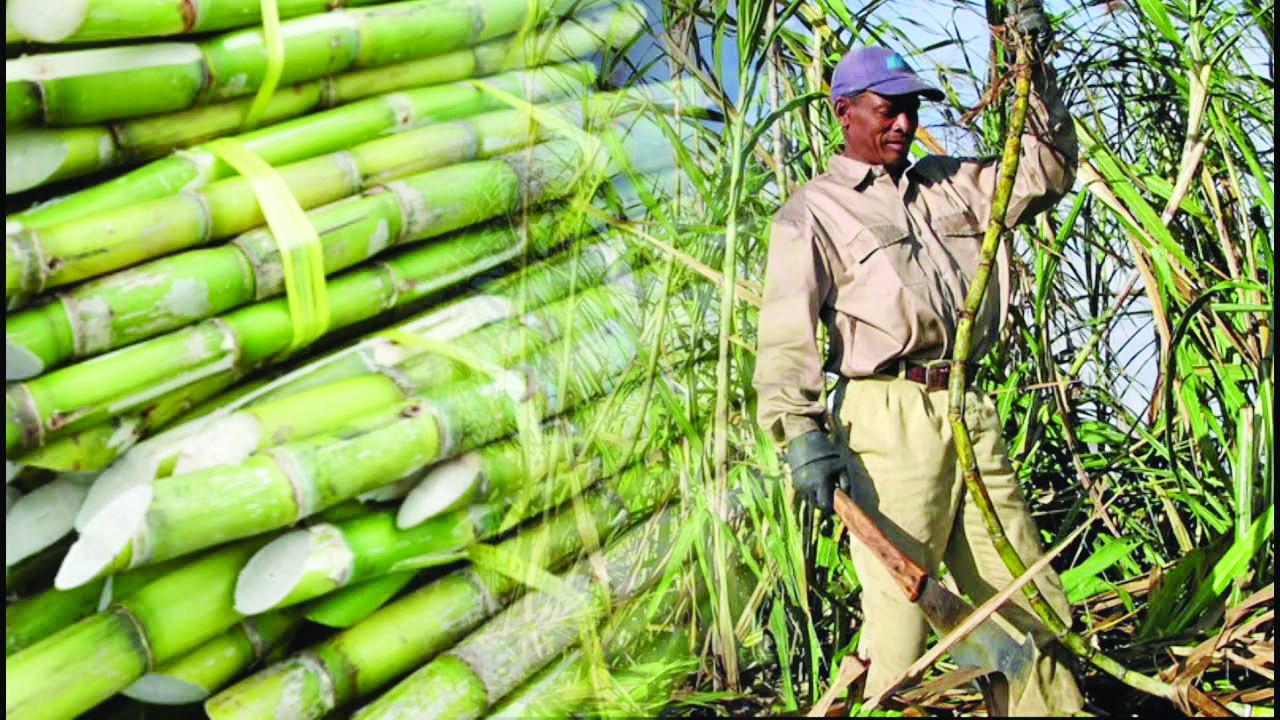
For many years, sugarcane has shaped daily life in the Busoga sub-region. From Kamuli and Mayuge to Jinja, Bugiri and Buyende, endless fields of tall green cane stretch across the landscape. The crop feeds sugar factories and supports thousands of families. For many households, sugarcane has opened doors to better living standards. Yet, for others, it has quietly created new struggles.
As demand for sugar continues to grow in Uganda, Busoga remains the country’s main sugarcane-producing area. Still, behind the steady business lies growing concern about food security, land use and the welfare of farmers.
The rise of sugarcane in Busoga
Sugarcane farming expanded quickly in Busoga during the 1990s as more sugar factories were established. Farmers were drawn by the promise of a ready market. Unlike food crops, which can be difficult to sell, sugarcane is grown with a buyer already waiting.
For smallholder farmers, this assurance is attractive. After planting, cane takes between 18 and 24 months to mature and can continue producing for several seasons. Many farmers sign agreements with millers who provide planting materials, transport and sometimes loans, which are deducted during payment.
Moses Waiswa, a farmer in Kamuli District, says sugarcane changed his life.
“With cane, you plant knowing someone will buy it. Before, we would harvest maize and spend days looking for customers,” he explains.
In many villages, the impact is visible. Permanent houses have replaced grass-thatched huts. Motorcycles stand in homesteads, and school fees are paid more regularly.
Why farmers remain committed to cane growing
Farmers say the greatest advantage of sugarcane is the guaranteed market. Crops such as beans and maize often lose value during harvest seasons because many farmers sell at the same time. Sugarcane, however, is delivered directly to factories.
Another attraction is the lump-sum payment. Although farmers wait longer for returns, the harvest often brings a large payout. Families use this money to pay school fees, build houses or invest in livestock. After planting, the crop also requires less daily attention compared to most food crops, which appeals to older farmers and families with limited labour.
Sugarcane has also created jobs. Young people earn income through cutting, loading and transporting cane, as well as working in sugar factories during harvesting seasons.
When sweet profits turn uncertain
Despite the benefits, sugarcane farming comes with challenges. One of the biggest complaints from farmers is delayed payment. After delivering cane, some farmers wait for weeks or months before receiving their money.
Harriet Nabirye, a farmer in Mayuge District, says such delays affect families badly.
“You deliver cane expecting school fees and food money. When payment delays, you are forced to borrow or sell property,” sha says.
Farmers also have little say in determining prices. Sugar factories usually set the rates, and deductions for transport, harvesting and loans reduce the final payment. Many farmers say they only realise how little they have earned after deductions are made.
Continuous cane growing also weakens soil fertility. Without fertilisers or proper soil management, yields drop over time, forcing farmers to use more land to maintain production.
Food security concerns
As more land is converted to sugarcane, food production has reduced in many parts of Busoga. Crops such as cassava, sweet potatoes, maize and beans are becoming less common. Families that once grew their own food now rely on markets.
When cane payments delay, households often struggle to buy food. Health workers warn that reduced food variety affects children and expectant mothers the most.
Land disputes and environmental worries
The growing demand for sugarcane has also increased competition for land. In some families, disagreements arise over whether to grow food or cane. Others lease land to large growers and later lose control over family property.
Isaac Kato, a cooperative leader in Kamuli Municipality, says young people are particularly affected.
He says: “Land is tied up in sugarcane for years. Many youths cannot access land and end up working as labourers on family land.”
Environmental concerns are also increasing. Clearing wetlands and riverbanks for sugarcane threatens water sources and wildlife. Because cane depends heavily on rainfall, drought and flooding continue to affect harvests.
Searching for balance
Agricultural officers encourage farmers to grow food crops alongside sugarcane, especially while cane is still young. Intercropping with beans or groundnuts can provide food and income while improving soil fertility.
Experts also advise farmers to use manure, limit repeated ratooning and form cooperatives to strengthen their bargaining power and push for timely payments.
Busoga’s experience reminds farmers and policymakers that cash crops alone cannot sustain livelihoods. Balancing sugarcane with food production, protecting farmers’ interests and preserving the environment will determine whether the crop continues to uplift communities or deepens existing challenges.


