

By Andrew Gum
When talk turns to the internet in Uganda, it often lands on one issue: gaps in coverage and performance. Fibre networks have improved access in towns, and mobile data has broadened reach. Yet many rural homes and businesses still struggle. Into that space has come talk of Starlink, Elon Musk’s satellite internet service. It has stirred strong interest, even though the service is not yet active in Uganda.
How Starlink works
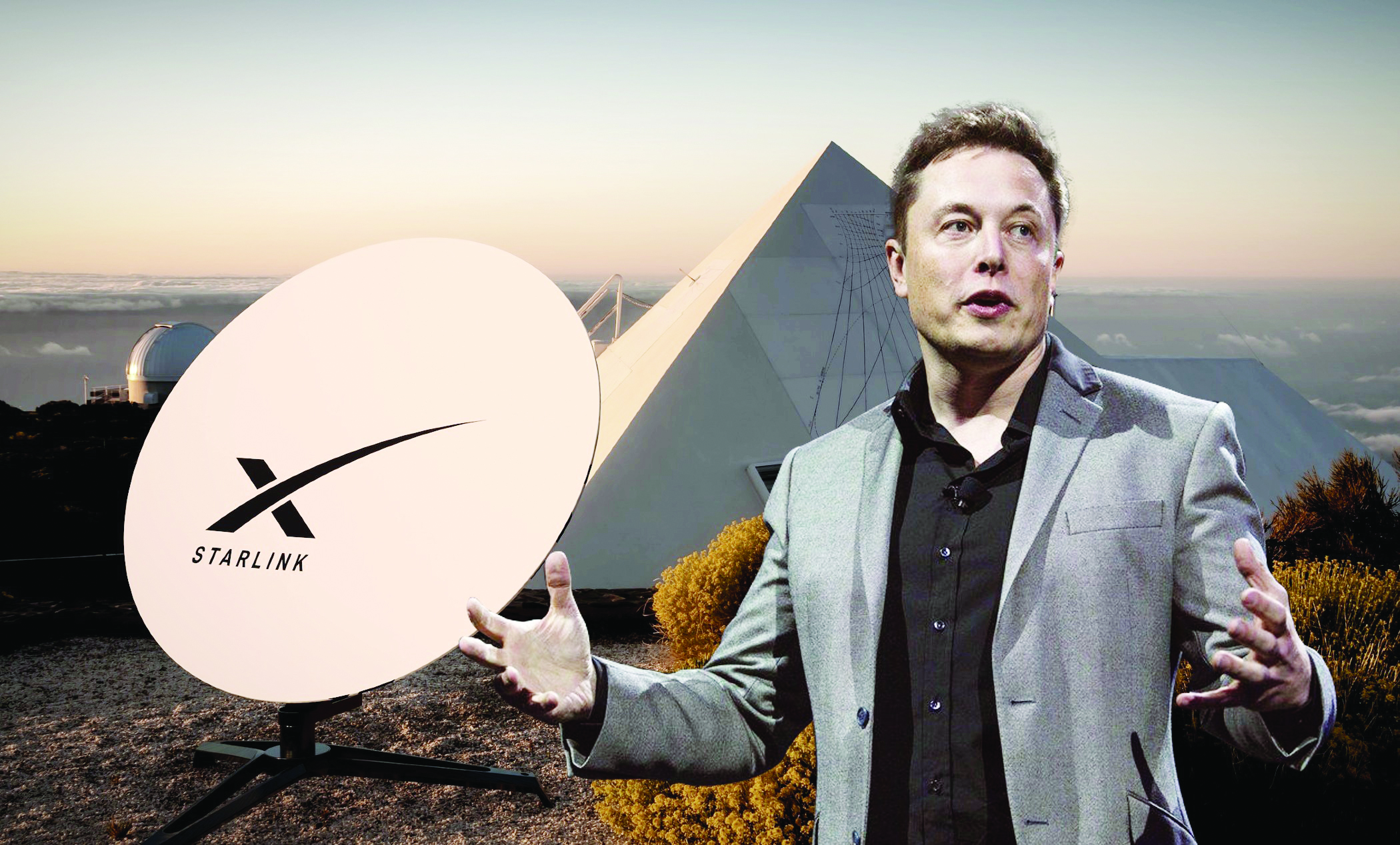
Starlink is run by SpaceX, a company led by Elon Musk, widely reported by Forbes as the world’s wealthiest man. The system uses hundreds of small satellites orbiting low above Earth. Traditional satellite internet relies on a single distant satellite about 36,000km away. Starlink satellites circle at roughly 550km, meaning signals travel shorter distances and delays drop.
The setup is simple. A small user dish points to the sky and connects with passing satellites. These satellites link to ground stations that feed into the global internet. Experts say this model can deliver fast connectivity almost anywhere.
In markets where Starlink operates, users typically record download speeds between 45 and 310 Mbps, uploads of 10 to 50 Mbps, and latency of about 25 to 60 milliseconds. This compares favourably with many mobile networks and rural fixed wireless options.
Uganda’s connectivity gap
Interest in Starlink locally reflects gaps in Uganda’s internet landscape. Fibre providers such as Zuku and CanalBox have improved speeds in urban areas. In busy suburbs of Kampala or along Entebbe Road, customers often report steady 50–150 Mbps connections on fibre plans priced between about 110,000 and 230,000 shillings per month.
Where fibre exists, installation is straightforward and reliability is high. Heavy rain rarely disrupts the signal.
However, fibre only reaches where cables are laid. Towns beyond the main corridors can wait years for expansion. Some remote districts still rely on 3G or EDGE mobile data, with speeds below 5 Mbps. In places like Kotido or Moroto, even basic WhatsApp calls can be unreliable.
Many rural users end up paying for data they can barely use. Starlink promises something different because it does not depend on ground cables. In theory, it can work anywhere with a clear view of the sky.
Cost, installation and performance trade-offs
The excitement around Starlink has grown steadily. When SpaceX filed for a licence in Uganda in 2025, social media filled with videos of people testing imported Starlink kits. Some clips showed speeds above 200 Mbps near Kampala. These tests were unofficial and linked to accounts outside Uganda, but they offered a glimpse of the technology’s potential.
Cost remains a major consideration. In markets abroad, Starlink hardware typically sells for the equivalent of 1.3–1.8 million shillings. Monthly subscriptions in some African countries start at about 28 to 34 dollars (roughly 105,000–128,000 shillings) for unlimited access.
These prices sit above most local mobile data packages and many entry-level fibre plans. Zuku’s mid-tier packages, for example, often range between 120,000 and 180,000 shillings, with CanalBox offering similar pricing. Where fibre infrastructure already exists, satellite internet must clearly justify the extra expense.
Installation also differs. Fibre providers usually send a technician to connect the line and install a modem indoors. Starlink users must mount a small dish on a roof or pole with a clear view of the sky. Trees and buildings can obstruct the signal, so basic DIY skills or professional help may be required.
Reliability is another factor. Fibre remains largely stable in heavy rain and cloud cover. Satellite signals can weaken during severe weather. Starlink’s large satellite network helps reduce disruptions, but no system is flawless.
Waiting on regulation
Starlink’s strongest potential lies outside major towns. A small agribusiness in a district without fibre could use satellite internet to run video calls with overseas buyers, transfer large files, and operate cloud systems. Content creators in remote areas could upload work without travelling to town. Schools could stream lessons, and health centres could send patient data more efficiently.
Before any of this becomes reality, regulatory hurdles must be cleared. The Uganda Communications Commission halted all Starlink activity at the start of 2026, citing the need for compliance with local requirements. SpaceX has indicated it will not activate the service until fully licensed.
For now, Ugandans continue to wait. Even so, the conversation around Starlink highlights shifting expectations. Users increasingly demand faster speeds, wider coverage and dependable service. Fibre providers are expanding and mobile networks are improving, but Starlink introduces a new dimension, particularly for remote communities long underserved by traditional infrastructure.


