By Beatrice Nakibuuka
For decades, the world of sound technology has revolved around clarity, power, and immersion. From the crackle of vinyl records to high-resolution digital audio, every generation has sought richer, more lifelike sound. Yet the latest revolution in audio is not about making sound bigger or louder, it is about making it disappear.
Advanced systems are now designed to be heard but not seen, turning walls, ceilings, and even windows into hidden speakers. This transformation is reshaping homes, hotels, and offices worldwide, and East Africa is no exception. From luxury apartments in Kampala to boutique lodges in Zanzibar, invisible speakers are merging architecture with technology, making audio a seamless part of everyday life.
The rise of invisible sound
Until recently, premium sound systems were associated with bulky speakers that often dominated living spaces. Tower speakers and massive subwoofers were once considered marks of quality. But in today’s era of minimalist design, many people are asking why sound equipment should take up space at all.
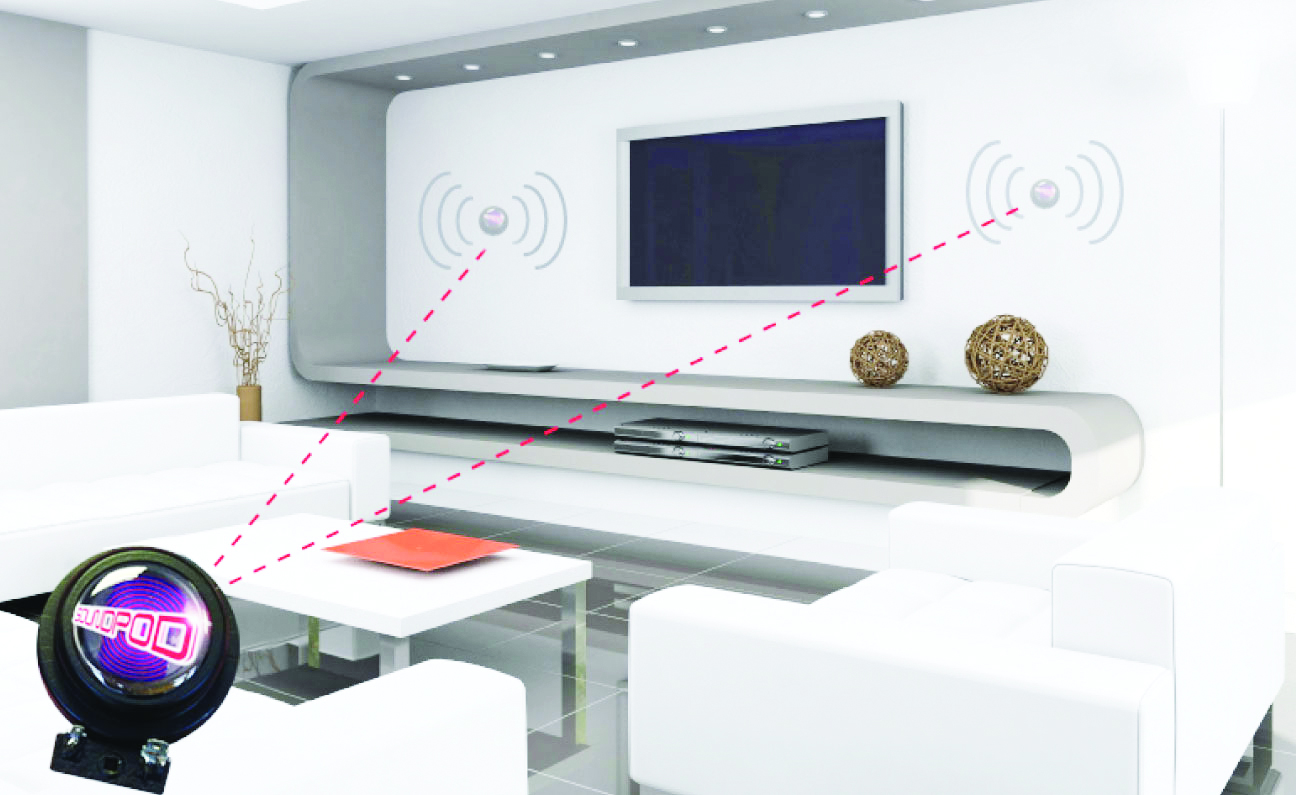
Invisible speakers offer the solution. Using advanced engineering, they transmit audio through plaster, wood, or glass, creating rich sound without revealing any hardware. The result is seamless integration — powerful, immersive sound without visible gadgets.
“Invisible speakers are not just a luxury; they are a design solution,” explains Kampala interior designer Julius Twinamatsiko. “They allow us to create uncluttered spaces without losing functionality. It’s the future of how we think about sound.”
Blending sound with architecture
One of the most remarkable aspects of invisible speakers is how they integrate into buildings. Designers no longer work around equipment; instead, walls and ceilings become part of the sound system, preserving clean lines and aesthetics.
Imagine a Serengeti safari lodge where soft music fills the air yet no speaker is in sight, or a Kampala restaurant where jazz drifts naturally across the dining space. Sarah Namusoke, manager at a Kampala boutique hotel, says: “We wanted guests to enjoy music without gadgets spoiling the look. The feedback has been incredible.”
Smart sound for smart spaces
Invisible speakers are increasingly tied to smart home systems. They can be controlled by apps, voice assistants, or AI that predicts listening preferences. In Kampala homes, systems can shift from upbeat gospel in the morning to calming evening soundscapes. In corporate offices, they provide background music or sound masking for confidential meetings.
The engineering behind the magic
Invisible speakers work by attaching vibration transducers to special panels hidden in walls, ceilings, or furniture. When a signal is sent, the panels vibrate and emit sound. Once plastered or painted over, they blend seamlessly with the room. Many are paired with hidden subwoofers for deeper bass.
Earlier versions struggled with clarity and bass response, but modern systems now rival traditional speakers in quality. Cinemas in Kampala and nightclubs in Entebbe are experimenting with hidden subwoofers to deliver booming sound without clutter, while interior design companies are piloting installations in luxury apartments, conference halls, and modern churches.
Market growth and demand
The growing appeal of invisible sound is fuelled by shifting consumer tastes. Minimalism, smart living, and multi-purpose spaces demand technology that blends into the background.
In East Africa, hospitality and real estate sectors are leading adoption. Luxury hotels in Zanzibar and Malindi use hidden speakers to elevate guest experiences, while upscale estates in Lubowa and Munyonyo advertise integrated sound systems as key selling points. Even retail spaces, including Nairobi’s Two Rivers Mall and Kampala’s Acacia Mall, are experimenting with invisible audio for shoppers.
“Just a few years ago, no one asked for these systems,” says Kampala technology dealer Moses Ssemanda. “Now architects, hoteliers, and homeowners are inquiring. Cost is still the biggest hurdle, but as prices drop, adoption will grow.”
Challenges to overcome
Despite enthusiasm, barriers remain. High-quality invisible speakers are still expensive compared to traditional systems, restricting them to wealthy homeowners and top-tier businesses. Installation requires skilled professionals who understand both acoustics and construction, and such expertise is still limited in Uganda and Kenya.
Performance limitations also persist. While clarity and bass have improved, some audiophiles prefer traditional systems for the deepest tones. In rural or budget-conscious markets, invisible speakers remain a luxury rather than a necessity.
The future of sound
The outlook, however, is promising. As materials improve, costs drop, and AI integration deepens, invisible speakers may soon become common in urban homes across Kampala, Nairobi, and Kigali. Already, researchers are exploring panels that double as windows or furniture that doubles as sound emitters.
Ultimately, the best audio technology may be the one that vanishes — leaving only pure, immersive sound.
Invisible speakers are more than a design trick; they represent a cultural shift. For decades, audio equipment was meant to be seen. Today, the future of sound is about being heard but not seen.