

By Pauline Akello
The human story is often marked by its endings. We grow familiar with decline, the fading of youth, the quiet erosion of dreams, and the finality of the grave. Many today live through what feels like a slow winter of the soul: hearts still beating, yet spirits weary, brittle and dry.
We rarely collapse in one dramatic moment. More often, life wears us down gradually. Hope thins out, joy becomes distant, and we find ourselves simply existing rather than truly living. It is a quiet emptiness, hidden beneath routines and responsibilities. This is the human condition when stripped of its polished appearance, a life where hope feels like it has evaporated.
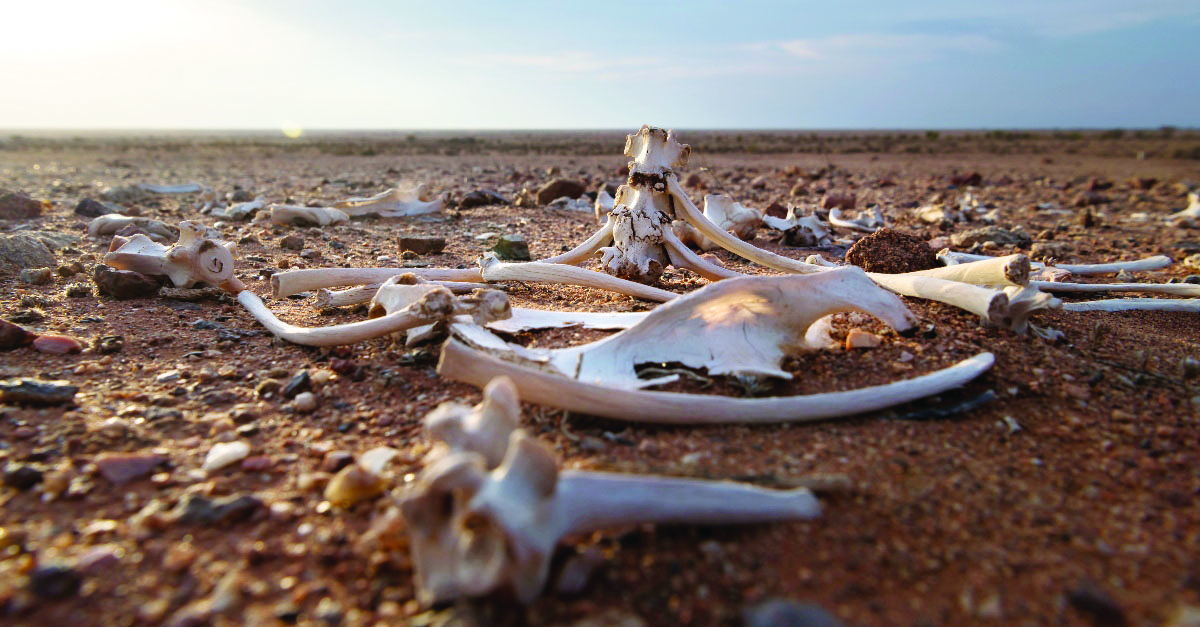
Scripture gives a vivid picture of this state in the Valley of Dry Bones in Ezekiel 37. The prophet does not stand among fresh graves, but among bones described as “very dry.” This is not recent loss; it is long-settled despair. It is the place where prayers feel unanswered, dreams forgotten, and faith stretched thin by too many seasons without renewal.
As organisational psychologist Simon Kimanje explains, this dryness reflects a spiritual reality many people face. It is the point where one feels disconnected, from purpose, from community, and even from God. Yet he notes that the turning point begins when a person considers returning. With God’s grace, freely given, the possibility of restoration opens.
When God restores and breathes Life
Many of us live in this “in-between” space, going through the motions of life, yet inwardly breathless. We function, but something within us feels absent. Easter speaks directly into this condition. It reminds us that the journey from death to life is not always instant. Sometimes it begins with a quiet stirring, a gentle shaking of what we thought was finished.
The vision in Ezekiel reveals a powerful truth. As the prophet speaks God’s word, there is a rattling sound. Bones begin to come together. Structure returns, sinews, flesh, and skin form. It is a picture of God restoring order where there was once only chaos. In our own lives, this may look like healing in relationships, renewed discipline, or clarity where confusion once ruled.
Yet the story does not end there. Even with form restored, there is still no breath. The bodies lie complete, but lifeless. Then God commands the breath, the Spirit, to enter them. What was once a valley of death rises into a living, breathing multitude.
This two-fold work, restoration and renewal, lies at the heart of the Easter message. God not only rebuilds what is broken; He breathes new life into it.
Easter hope: Life has the final word
This truth is fully revealed in the resurrection of Jesus Christ. When Christ rose from the grave, He did not simply return to His former life. He ushered in a new reality, one where death no longer has the final say. On that first Easter evening, He appeared to His disciples and breathed on them, saying, “Receive the Holy Spirit” (John 20:22). The same divine breath that revived the dry bones now filled His followers with new life.
Easter, then, is not merely a historical event. It is a living promise. It assures us that “dry” does not mean “finished.” What appears lifeless can live again. What seems lost can be restored.
The question we each face is this: is the valley our destination, or is it a place of waiting? Easter answers with hope. The rattling we hear in our lives, the unsettling, the shifting, is not always a sign of collapse. It may well be the sound of God bringing things back together.
The empty tomb declares that life has the final word. Not an easy life, free from hardship, but a deeper life, sustained and renewed by the Spirit of God. It is a life that persists even in the face of loss and rises again where there was once despair.
No matter how long a dream has lain dormant, or how dry a soul may feel, the promise remains: the breath of God brings life. The valley is not the end of the story.
This Easter, we are invited to step out of the cold silence of the valley and into the warmth of new life. In Christ, what was dead can live again. And in Him, life, true, Spirit-filled life, will always have the final word.


