By Beatrice Nakibuuka
In nearly every rural homestead across Uganda, chickens roam freely scratching the ground, perching in trees, and clucking their way through daily life. These indigenous birds are a familiar sight, often reserved for family meals or sold off quickly when urgent cash is needed.
Yet behind this simplicity lies an overlooked opportunity.
With the right care and management, village chicken farming can shift from a casual backyard activity into a reliable and profitable enterprise, one capable of supporting household incomes and improving nutrition.
Choosing right birds
Success in poultry farming begins with selecting the right breed. Most rural households keep indigenous chickens, valued for their resilience and ability to survive with minimal care.
However, according to local farmer Peter Musoke, this hardiness comes at a cost
“Indigenous chickens grow slowly and produce fewer eggs. Farmers who want better returns are now turning to improved dual-purpose breeds like Kuroiler, Rainbow Rooster, and Sasso. These grow faster, lay more eggs, and still adapt well to local conditions,” he says.
While commercial layers and broilers offer higher yields, they demand intensive management, including quality feeds, strict vaccination schedules, and proper housing. For many rural farmers, improved indigenous breeds provide the best balance between productivity and resilience.
Housing
One of the biggest gaps in traditional poultry keeping is shelter. Chickens are often left to roost in trees or wander freely at night, exposing them to predators, harsh weather, and disease.
A simple, well-constructed chicken house can dramatically improve survival and productivity.
“The structure should be raised off the ground to prevent flooding and protect against rodents,” Musoke advises. “It must also be well-ventilated, with a dry floor covered in materials like sawdust or grass.”
Separate spaces for chicks and nesting boxes for laying hens help reduce losses and improve overall flock management. Proper housing not only protects birds but also makes it easier to monitor their health and security.
Feeding for better returns
Although free-range chickens are excellent scavengers, relying solely on foraging limits their productivity. For consistent growth and egg production, supplementary feeding is essential.
Farmers can use locally available feeds such as maize bran, millet, cassava, silverfish, and vegetable leftovers like pumpkin leaves or sweet potato vines. Calcium sources like crushed eggshells or limestone are also important for strong eggshell formation.
Clean drinking water should always be available. During dry seasons, frequent refilling is necessary to prevent dehydration and stress among the birds.
Disease control, vaccination
Disease remains one of the greatest threats to poultry farmers, with Newcastle disease being particularly devastating.
“Newcastle can wipe out an entire flock,” Musoke warns. “But it is preventable through regular vaccination.”
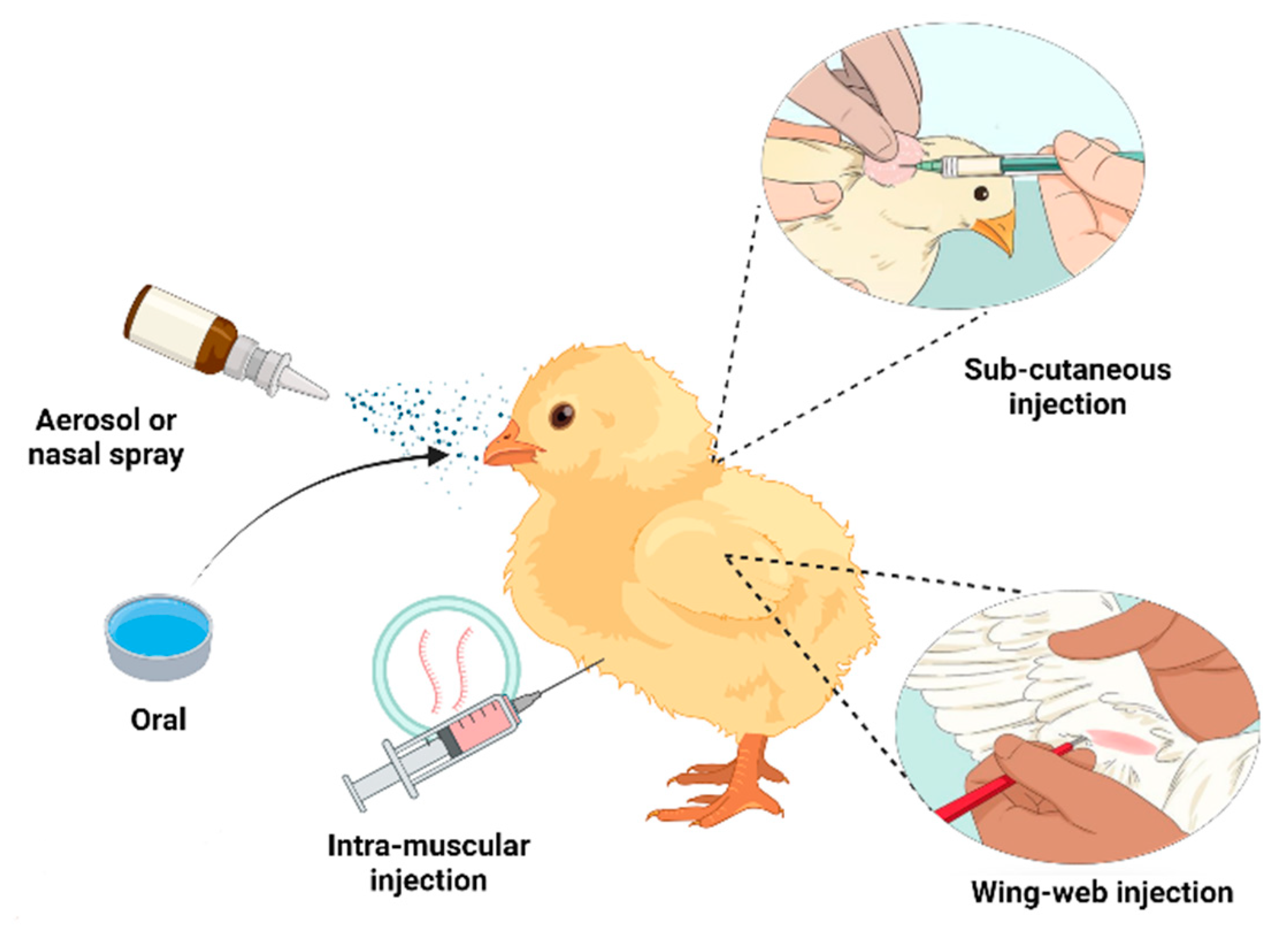
He recommends vaccinating chicks from two weeks of age and repeating Newcastle vaccinations every three months. Other common diseases such as Gumboro, fowl pox, and Marek’s disease can also be controlled through proper vaccination.
Good hygiene is equally important. Regular cleaning of coops, feeders, and drinkers helps prevent outbreaks. Sick birds should be isolated, while dead ones must be disposed of safely.
Farmer Melisa Nakafeero adds that some farmers are complementing modern practices with traditional remedies.
“Herbs like aloe vera, garlic, and pawpaw seeds are being used to boost immunity,” she says. “They don’t replace vaccines, but they help improve overall health.”
Boosting egg production and hatching
To increase egg output, hens need safe, clean, and comfortable nesting areas. Proper nesting boxes encourage hens to lay in one place, reducing losses.
“Eggs should be collected daily and stored in a cool, dry place,” Nakafeero advises. “For hatching, only clean, well-shaped eggs should be used.”
Natural hatching remains common, with a broody hen able to incubate 10 to 12 eggs. However, farmers looking to expand can invest in small solar or electric incubators that hatch larger numbers more efficiently.
Managing breeding is also critical. Avoiding inbreeding by introducing new stock helps maintain strong, productive flocks.
Record-keeping
One major reason many farmers fail to profit from poultry is the lack of proper records.
Keeping track of flock size, egg production, feed use, sales, and losses can transform a small operation into a structured business.
“A simple notebook is enough,” Nakafeero says. “It helps farmers identify problems early and understand whether they are making a profit.”
With proper records, farmers can plan better, reduce losses, and make informed decisions.
Finding the market
Demand for indigenous chicken and eggs remains strong in both rural and urban areas, driven by their taste and perceived organic quality.
Farmers can increase their earnings by targeting reliable buyers such as schools, restaurants, hotels, and local markets. Some are adding value by branding their products as “organic” or “free-range,” attracting higher-paying customers.
There is also untapped potential in by-products like poultry manure, which can be sold as organic fertilizer.
Organising into farmer groups or cooperatives can further improve access to larger markets and better prices, while involving youth and women in marketing creates additional income opportunities.