By Beatrice Nakibuuka
Goat farming is quietly transforming rural Uganda. With rising demand for meat and milk, small-scale farmers are finding goats not just a source of food, but a reliable income and a pathway to improved nutrition.
Profitable and adaptable investment
Goat farming is increasingly popular across Uganda. Goats are hardy, reproduce quickly, and can thrive on a wide variety of vegetation. For families with limited land, they provide both food and a steady income.
“Goats reproduce quickly, often giving birth to twins or triplets, allowing flocks to grow fast,” says Sarah Nanyonga, a farmer in Luwero. “They are adaptable and easy to feed, and the initial investment is low. A family can start with a few goats in simple pens and scale up gradually.”
Demand for goat products is strong. Goat meat is considered a premium product for ceremonies, restaurants, and exports. Goat milk is valued for its health benefits, especially among those who are lactose intolerant.
The rise of dairy goats
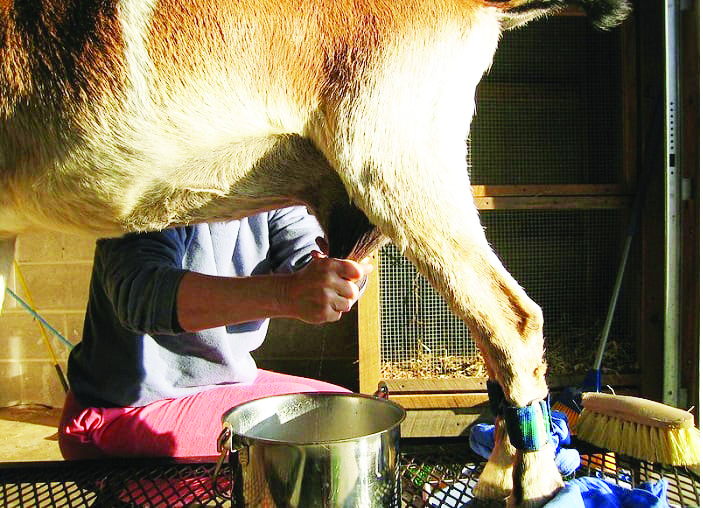
Traditionally, goats were raised mainly for meat. Today, improved dairy breeds such as Toggenburg, Saanen, and Alpine are changing the game. Introduced by organisations including NARO, Heifer International, and Send a Cow, these breeds produce two to four litres of milk per day, far more than local goats.
Goat milk is rich in protein, calcium, and vitamins, and easier to digest than cow’s milk. In a country where child malnutrition remains a concern, dairy goats could make a meaningful difference.
Some farmers have taken goat milk further, producing cheese, yoghurt, and ghee, which attract higher prices in urban supermarkets and hotels.
Key practices for success
Dr Nelson Begumisa, a veterinary officer at Eram Uganda, emphasises that proper practices are essential for profitable goat farming.
“Breed selection is crucial. Toggenburg and Saanen are ideal for milk, while Boer and Savannah are better for meat,” he says.
Feeding and housing also matter. Goats are natural browsers, but a mix of browse, grass, and supplements ensures optimal performance. Clean, dry, and well-ventilated housing reduces disease risks, while raised wooden pens allow droppings to fall through. Fresh water daily is essential to prevent parasites and waterborne illnesses.
Breeding management is equally important. Farmers can separate males and females to control flock size or synchronise births, ensuring steady milk production and avoiding overcrowding.
From small beginnings to big opportunities
Goat farming is highly scalable. A household can start with two or three goats in a simple pen and gradually build a larger herd.
In districts such as Ntungamo, Mukono, and Mityana, dairy goat farmers have formed cooperatives, making it easier to access veterinary services, improved breeds, and markets. Many earn up to Shs 600,000 per month from milk and young goats. Those who add value through cheese or yoghurt earn even more, particularly from hotels and expatriate communities.
Challenges in the sector
Despite its promise, dairy goat farming faces obstacles. Improved breeds are expensive, ranging from Shs 500,000 to Shs 1 million per doe, limiting access for small-scale farmers. Diseases such as pneumonia, worms, and mastitis are ongoing threats, especially in areas with limited veterinary support.
Marketing goat milk remains a challenge. Cultural preferences mean many Ugandans still view goats primarily as meat animals. Without organised collection or processing, much of the milk is consumed at home or sold informally at low prices.
Farmer experience
“I started with one Toggenburg doe in 2018, and today I have eight goats,” says Nanyonga. “The milk has improved my children’s health, and I sell the surplus to a local clinic for patients.”
Dr Begumisa adds: “With proper training and promotion, dairy goat farming could significantly improve nutrition and household incomes.”
A Path to rural transformation
Experts argue that goats complement rather than compete with cattle. Diversifying dairy production reduces risks from cattle diseases, expands milk supply in areas unsuitable for cows, and meets growing urban demand for alternative dairy products.
The future of goat farming in Uganda depends on training, affordable access to improved breeds, and strong farmer cooperatives. With strategic investment and policy support, dairy goats could address malnutrition, create jobs, and drive rural development.
In many villages, the bleating of goats is no longer just a sound of tradition. It now signals opportunity, better nutrition, steady income, and sustainable farming. Dairy goat farming may well become one of Uganda’s quiet agricultural revolutions.