

By Beatrice Nakibuuka
The ear, nose, and throat may look like small body parts, but they play a very big role in keeping us alive and comfortable. They help us hear, breathe, smell, taste, and even communicate. Yet many people in Uganda only pay attention to them when pain or infection sets in. Doctors warn that good ENT (Ear, Nose and Throat) health is not just about avoiding discomfort—it is about preventing serious diseases that can interfere with education, work, and quality of life.
Why ENT health matters
According to specialists, ear infections remain one of the leading causes of preventable hearing loss in children across Uganda. Nose allergies, sinus problems, and tonsillitis are increasingly common, while throat cancers linked to tobacco and alcohol use are on the rise among adults. ENT illnesses may appear small at first, but if ignored, they can cause long-term disability.
Dr Richard Byaruhanga, an ENT specialist at Kampala Ear, Nose, Throat and Sinus Centre, explains: “A child with an untreated ear infection may end up with permanent hearing problems. A farmer who constantly inhales dust without protection can develop chronic sinusitis. And a smoker who ignores persistent throat pain risks developing cancer.”
Caring for the ears
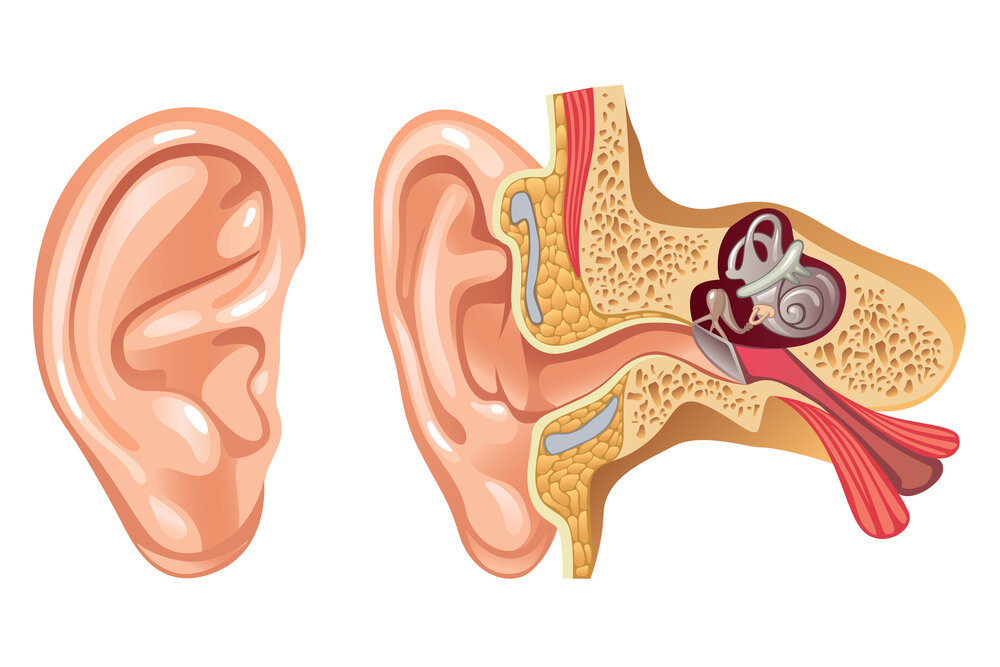
The ears are delicate organs that need careful protection. Doctors advise against inserting sharp objects, including cotton buds, into the ear canal. Dr. Byaruhanga emphasizes that cotton buds, though commonly used, are not safe.
“Instead of cleaning the ear, they push wax deeper inside, blocking the canal and sometimes injuring the eardrum. The ear is naturally self-cleaning, and wax usually comes out on its own without interference. Cleaning should only be done on the outer part of the ear with a clean cloth,” he says.
Exposure to loud noise is another growing danger, especially with the popularity of earphones and loud music in taxis, clubs, and bars. ENT experts recommend keeping the volume low and taking breaks to protect the inner ear from damage. Too much noise damages the delicate hearing cells in the inner ear, leading to gradual and often irreversible hearing loss.
When infections arise, especially in children with pus discharge or reduced hearing, early treatment is essential. With timely medical care, simple antibiotics or ear drops can prevent lifelong hearing problems.
It is important to note that ear infections are one of the greatest contributors to deafness, especially among children or adults who were not born deaf.
Otitis media, an infection of the middle ear, is a common childhood problem, and most children experience it when they are about three years old, but the infection can be persistent if not well treated.
Dr Byaruhanga notes that the ear infection is a painful one because it causes swelling and itching of the middle ear.
“More children than adults are more likely to get the infection because they are more prone to infections that affect the nose and throat. These respiratory infections make it easy for the infection to attack the children because of their weak immune system and narrow tubes in the ear, which are easily clogged,” he says.
Causes
Both children and adults can suffer from ear infections, and according to Dr Byaruhanga, “The ear infection may result from colds and flu, which congest the throat. Children who often suffer from colds and flu are more prone to catching ear infections.”
Signs and symptoms
• Body weakness and loss of balance
• Headache and high fever
• Difficulty in hearing and responding to sounds
• Ear pain accompanied by an itchy and swollen eardrum
• Crying and vomiting in young children
• Upper respiratory infections like colds, allergies, cough and flu
• The infection causes perforation of the eardrum and pus discharge from the ear.
Treatment
Most ear infections are treatable with medicine. However, if the ear is very much affected, “An operation may be the only solution especially if the eardrum becomes perforated,” he says.
Dr Fiona Kabagenyi, an ENT surgeon, remarks that if otitis media is not treated immediately, the child may have problems with balancing the body as well as reduced hearing, the child may experience delayed speech, and the infection may extend to the bones and brain.
“If a child experiences ringing sounds, itching, and a pus discharge from the ear, they should inform their parents to see a doctor immediately because the infection can also lead to deafness,” she warns.
She also advises that children with ear infections should avoid swimming and protect their ears from getting in contact with water. They should only use soft tissues such as cotton to clean and wipe the infected ear to avoid further damage.
Protecting the nose and sinuses
The nose is the body’s natural air filter. It warms, moistens, and cleans the air we breathe. To keep it healthy, it is important to reduce exposure to dust, smoke, and polluted environments. Farmers, boda boda riders, and market vendors are encouraged to use protective face masks where possible.
Colds and flu often block the nose, but when nasal congestion lasts more than ten days, it may be sinusitis. Regular washing of the nose with saline solution, drinking plenty of fluids, and avoiding irritants like cigarette smoke can reduce infections.
“Allergies are another challenge, particularly for children. Common triggers include dust, pollen, and pet hair. Parents are encouraged to keep homes clean, encourage outdoor play in fresh air, and seek medical attention for children who experience persistent sneezing, runny noses, or breathing difficulties,” says Dr Kabagenyi.
Caring for the throat
The throat is the gateway for both food and air. Common illnesses affecting the throat include tonsillitis, sore throats, and in severe cases, cancers. Frequent sore throats, especially when accompanied by fever, should not be ignored. Children who suffer repeated tonsillitis may require surgery to remove enlarged tonsils so they can breathe and sleep better.
“Adults should also be alert to danger signs such as difficulty swallowing, persistent hoarseness, or blood in saliva. Smoking and alcohol are leading risk factors for throat cancers, and reducing or avoiding them can save lives,” says Dr Byaruhanga.
Hydration is equally important in maintaining throat health. Drinking enough water daily keeps the throat moist and reduces irritation. Warm teas, honey, and healthy diets rich in fruits and vegetables strengthen immunity and help the body fight infections naturally.
Disease management, access to care
Uganda has a limited number of ENT specialists, concentrated mainly in Kampala and a few regional hospitals. This means many rural patients suffer for long before getting proper treatment. However, health workers encourage people to seek care early at nearby health facilities where basic management is available.
“Parents should be watchful for signs of hearing loss in children, such as delayed speech or failure to respond when called. Teachers can play a role by noticing pupils who struggle to follow lessons because they cannot hear clearly. Early referrals make a big difference,” says Dr Kabagenyi.
Prevention is better than a cure
ENT health depends largely on simple preventive measures. Dr. Byaruhanga stresses that many of the conditions he treats could have been avoided through early care and healthy practices. Avoiding the use of ear buds, limiting exposure to loud noise, reducing exposure to dust and smoke, eating a balanced diet, and steering clear of smoking and excessive alcohol are among the most effective ways to stay healthy.
“Your ears, nose, and throat may be small, but losing their function can be life-changing,” Dr. Byaruhanga emphasizes. “Taking care of them today ensures a healthier future.”
As Uganda continues to raise awareness about ENT health, it is clear that prevention, early treatment, and lifestyle changes can go a long way in reducing suffering and disability. Healthy ears, noses, and throats mean clearer voices, sharper hearing, and easier breathing, the basic joys of life.


