By Ntege Lilian
Ask any parent whether they should be their child’s best friend and watch their reaction. Many will pause, perhaps laugh nervously, because the truth is, most of us are already walking that line, shifting between parent and friend without quite naming it. And we are not always sure whether that is a good thing or a mistake.
For me, this question is personal. I am a mother of two young children, a boy and a girl, both under five. I made the decision early on that I would be intentional about the kind of relationship I build with them.
Looking at the world they are growing up in, noisy, complicated and full of opinions, I realised that if they were going to listen to someone, I wanted that person to be me. Not because I am always right, but because I love them in a way no one else can. That love makes me careful, and it is what pushed me towards choosing friendship.
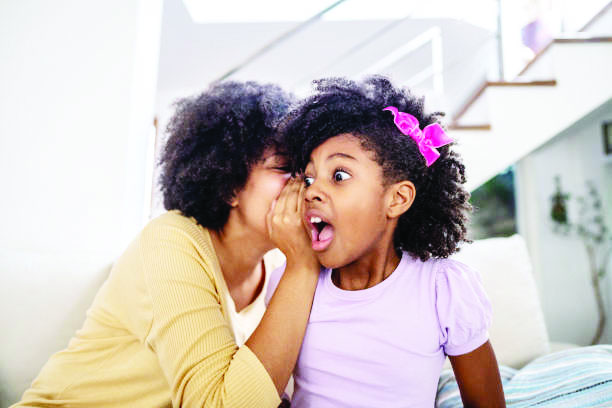
In my home, that means creating space for openness. When one of my children comes home and something feels off, I do not wait for a formal explanation. I sit beside them and gently ask. Sometimes, I start by sharing something small or even embarrassing about my own day, just to make it easier for them to open up.
The world is already speaking loudly to our children, from friends, from school, from social media. If I am not part of that conversation as someone they trust, then I risk leaving them to navigate it alone. That is something I am not willing to do.
To me, being my child’s friend does not mean stepping away from being their mother. It means choosing trust over fear, and openness over distance. A child who feels safe enough to talk is far less likely to struggle in silence.
Friendship with boundaries
But not every parent sees it exactly the same way.
Ntina Esther, a mother of three boys and a teacher, agrees that friendship matters, but insists it must come with clear boundaries.
“Of course I am my children’s friend,” she says with a laugh. “But ask them who makes the final decision in this house and they will tell you, Mummy.”
Ntina says she has seen both extremes, parents who are so strict their children live in quiet fear, and others who are so eager to be liked that their children lack direction. In her view, neither approach works.
“Friendship with your child is beautiful,” she says. “But friendship without structure is chaos.”
In her home, she has built what she calls a layered relationship. On most days, there is warmth and ease. They joke, talk freely and even share light conversations about growing up. That openness, she says, did not come by chance but through years of deliberate effort.
At the same time, her children understand that there are moments when she must step firmly into her role as a parent.
“They can tell when I am serious,” she says with a smile. “But because we have built trust, they understand it comes from love.”
For Ntina, the goal is not to be liked, but to be trusted.
“A child who likes you will enjoy your company,” she says. “But a child who trusts you will come to you when things fall apart. That is what matters.”
When friendship rebuilds connection
Margaret Nakakande, another mother, shares a more personal story of how choosing friendship helped repair her relationship with her son.
“It saved our relationship,” she says quietly. “I do not say that lightly.”
She recalls a time when her son began to withdraw. Conversations became shorter, eye contact disappeared and the distance between them grew.
“I tried everything I knew, rules, boundaries, consequences, but nothing worked,” she says. “If anything, it pushed him further away.”
The turning point came one evening when she decided to do something different. Instead of correcting or questioning him, she simply sat down and spoke honestly about her own teenage years, including a mistake she had never shared before.
“He looked at me differently,” she recalls. “Something opened.”
From there, they slowly began to rebuild their connection. It was not instant, but over time, her son started talking again.
Today, she says their relationship is stronger, not because she lowered her standards, but because her son knows she is on his side.
“Children do not need perfection,” Nakakande says. “They need honesty. When I stopped pretending, he stopped pretending too.”
So, should you be your child’s best friend? These mothers believe the answer is yes, but with wisdom.
Befriend your child not to win popularity, but to build trust. Be present in their world, listen without judgement and create a space where they can speak freely.
At the same time, do not lose sight of your role as a parent. Be the one who laughs with them on the good days, but also stands firm when it matters.