By Rev Canon Kaiso Grace
Choices are sometimes described as the threads that weave the tapestry of our lives. In other words, the choices we make define who we become. They have the potential to shape our identity, behaviour, and future experiences, while also fostering self-awareness and responsibility.
The need to decide
Life constantly presents us with situations that demand choices. Making such decisions is not easy, as they come with consequences. Take, for example, the circumstances surrounding the Prodigal Son (Luke 15:11–32). He carried the overwhelming guilt of mismanaging the inheritance his father had given him. His life deteriorated until he was reduced to sharing meals with pigs. Shame and humiliation accompanied his decision to return home. Reflecting on these realities could easily have discouraged him; however, he chose to focus on the prospect of reconciliation.
The way the Prodigal Son used his opportunity and power to choose transformed his story into one that has inspired generations. He decided to return to his father, despite the uncertainties. To his surprise, he found himself at the centre of a family celebration, without even the chance to explain himself. His choice to return opened up a new, promising future for him and his household. He must, however, have regretted the wasted years.
This story is instructive because it is about someone who, against the odds, made choices that changed not only his life but also that of his family. In our life journeys, we too find ourselves in marginalised situations where society seems to have written us off—as was the case with Zacchaeus (Luke 19:1–10) and Bartimaeus (Mark 10:46–52). Sometimes, like the Prodigal Son, we are caught up in messes of our own making. Whatever the circumstances, God provides us with opportunities to reflect and weigh our options. In Deuteronomy 30:19, God declares to the Israelites: “Today I have given you the choice between life and death.”
In the choices we make, it is possible to cheat ourselves. Had the Prodigal Son not reflected deeply on his predicament, he would have robbed himself of a promising future and the chance to be reintegrated into his family.
Many individuals and families remain locked in life-threatening and depressing conditions because they lack the courage to use the power and opportunity of choice. Similarly, nations too can be trapped by destructive traits that prevent their citizens from transitioning into a more hopeful future. The real tragedy comes when people know what must be done to save themselves from danger, but for various reasons remain content to do nothing—like someone choosing to lie down in a burning house.
Choices and nations
There are what we may call moments of grace, when failing to act can lead to dire consequences. The Prodigal Son recognised this. Those of us involved in peacebuilding in the Great Lakes region can testify to the same truth. The nations in this region are pregnant with opportunities for stability, sustainable development, and thriving communities, yet governments and citizens alike refrain from making the critical choices that serve the common good.
Take Uganda as an example. Conversations at dinner tables and funerals often revolve around our precarious political environment. Across the political spectrum, there is a shared conviction that what the country urgently needs is a national dialogue.
The choice not to
The opportunity for such a national conversation—on issues such as corruption, a viable political system, dysfunctional institutions, a deeply entrenched military culture undermining social and religious values, and the growing apathy among citizens, is consistently ignored. Despite a consensus, we choose not to invest in dialogue, preferring instead to spend millions of shillings on elections that may worsen our situation.
It is often said: one is free to choose, but not free from the consequences of that choice. Having chosen elections, we must live with the anxieties they bring. Every election heightens tension because the stakes are high and voter behaviour can be unpredictable. Elections can lift a country to greater heights but can just as easily trigger unrest and violence, as our history shows.
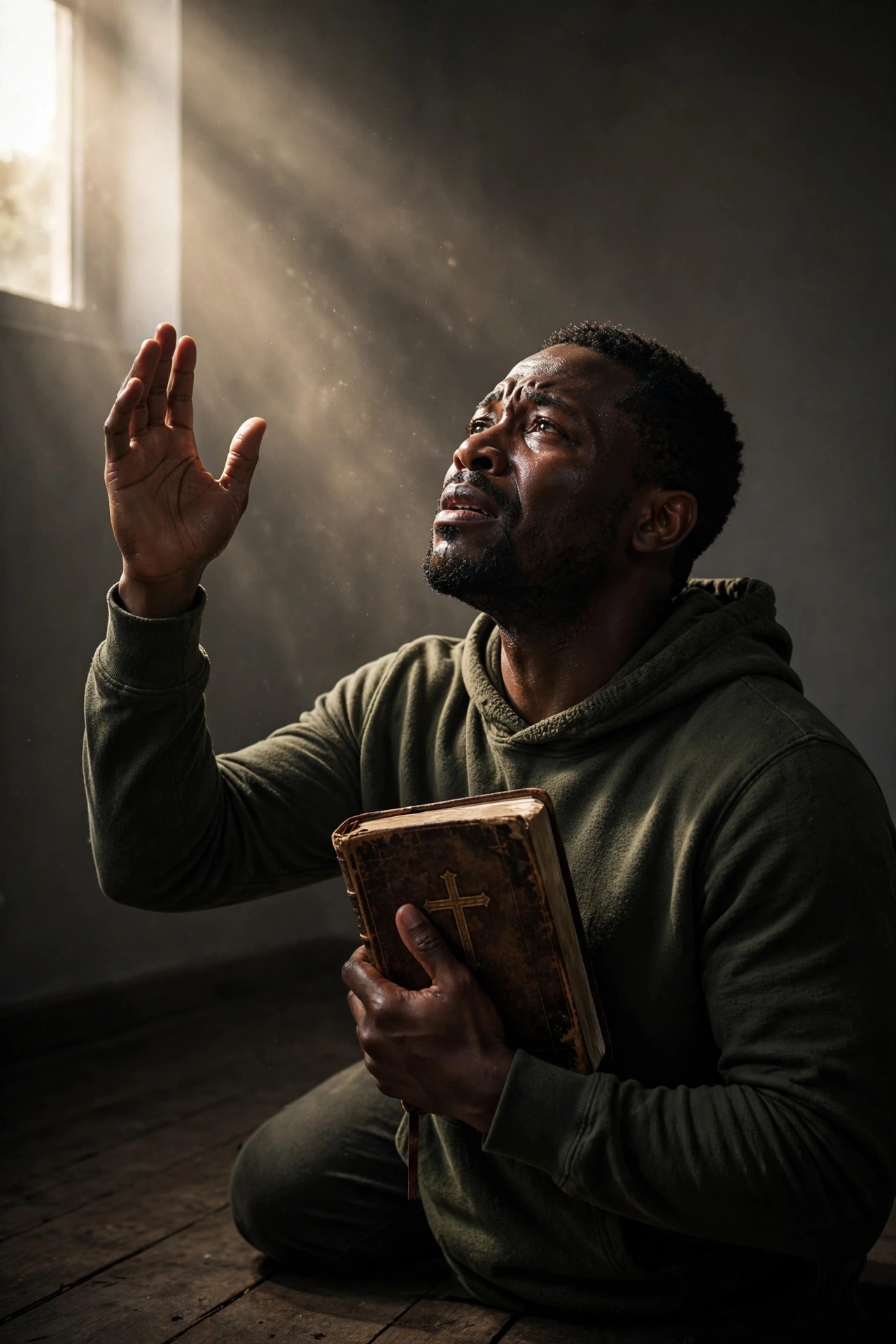
For this reason, citizens must both pray and act wisely in their choices. Too often, as Christians, we use prayer as an excuse for delaying or avoiding action. Yet prayer, at its core, is a declaration of our willingness to align our will with God’s. True prayer must inevitably lead to action. It represents the readiness to walk a path that may run contrary to our personal preferences but ultimately serves God’s higher purpose.