

By Beatrice Nakibuuka
On a busy day in Kampala’s city centre, customers stream in and out of gift shops carrying balloons, flower bouquets, teddy bears, and beautifully decorated gift boxes. Some are celebrating birthdays, graduations, and baby showers, while others are preparing marriage proposals, anniversaries, or corporate appreciation events.
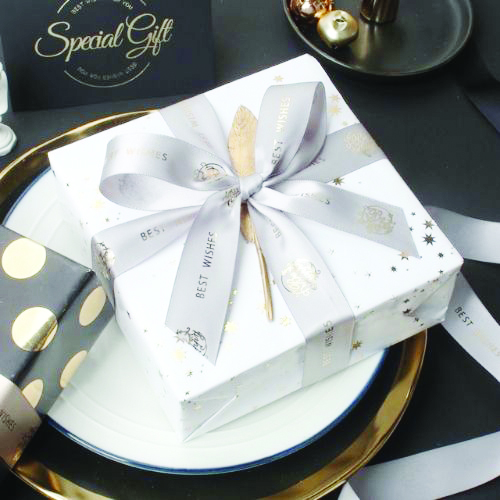
What was once an occasional service offered by stationery shops has evolved into a specialised business. Today, entrepreneurs are earning a living by designing luxury gift packs, customised hampers and fresh flower bouquets for clients willing to pay for convenience, elegance and personalisation.
Industry players say the business has experienced steady growth over the past five years, fuelled by social media marketing, changing consumer lifestyles and a growing culture of celebrating life’s milestones.
For many gift sellers, the business goes beyond wrapping presents.
“We are not selling wrapping paper. We are selling the feeling someone wants another person to experience when they receive that gift,” Brenda Mirembe, owner of a gift packaging business in Kisaasi.
Mirembe started with a capital of about Shs1,500,000 after noticing that many customers buying gifts wanted someone to package them attractively.
“I began by wrapping gifts for friends from home. They would post the finished work on social media, and before long, strangers started calling. Today, almost 70 percent of our clients find us through Instagram and TikTok,” she says.
On ordinary weekdays, she says, the business receives between five and 10 orders. During seasons such as Valentine’s Day, Christmas, and Mother’s Day, the number can rise to more than 50 orders daily.
A simple gift wrap may cost between Shs20,000 and Shs50,000, while luxury gift boxes and hampers range from Shs80,000 to over Shs500,000 depending on the contents.
Flowers have become big business
From imported roses to locally grown flowers, florists now create customised bouquets for birthdays, graduations, weddings, condolences, and corporate events.
Julius Mugisha, a florist operating at Maua & More, says many Ugandans previously considered flowers a luxury reserved for weddings.
“Today, people are buying flowers almost every day. We have university students buying small bouquets, companies ordering appreciation gifts for employees, and husbands surprising their wives without waiting for Valentine’s Day,” he says.
He says bouquet prices vary from around Shs50,000 for simple arrangements to more than Shs500,000 for premium designs incorporating imported flowers, chocolates, and personalised gifts.
“The flowers are perishable, so proper storage is important. But if you understand your market and minimise waste, the returns are very good,” he says.
Social media has changed everything
Gift businesses thrive almost entirely online.
Instagram, Facebook, TikTok, and WhatsApp Business have become virtual showrooms where sellers display colourful bouquets, customized hampers, and surprise deliveries.
Many entrepreneurs say attractive photography has become almost as important as the products themselves.
“When customers see beautiful pictures online, they imagine their loved one receiving that gift,” says Esther Nakato, who runs a home-based gift packaging business in Najjera.
She started the business while employed full-time elsewhere but has since made it her primary source of income.
“I realised people are willing to pay someone else to do the shopping, wrapping, and delivery. Busy professionals don’t have time to move around Kampala looking for different items,” she remarks.
Her business now offers complete packages that include shopping, gift wrapping, handwritten cards, balloons, and doorstep delivery.
“Some clients don’t even know what to buy. They simply give us a budget, and we create everything.”
Corporate clients offer bigger opportunities
Companies increasingly order branded hampers, appreciation gifts, and festive packages for employees, business partners, and customers. Bulk orders during Christmas can significantly boost revenues.
“One corporate order can be equivalent to what you would earn from many individual customers,” Mirembe says.
However, she notes that businesses expect professionalism, timely delivery, and consistent quality.
“If you promise 200 hampers by Friday morning, they must be ready. Corporate clients rarely tolerate delays,” she says.
Creativity determines profitability
“The market changes quickly,” Nakato says.
“What was trending six months ago may no longer attract customers. We spend time learning new designs from international creators while adapting them to what Ugandan clients can afford.”
Challenges behind the glamour
Artificial flowers, wrapping paper, ribbons, decorative boxes, and balloons often become more expensive whenever shipping costs increase.
Competition has also intensified as more entrepreneurs enter the market.
“Anyone can buy wrapping paper, but not everyone can create premium designs,” says Mugisha.
Seasonality presents another challenge. While Valentine’s Day, Mother’s Day, Father’s Day, and Christmas generate booming sales, business slows considerably during some months of the year.
To maintain a steady income, many entrepreneurs diversify into event decoration, party supplies, personalised merchandise, and home décor.


