

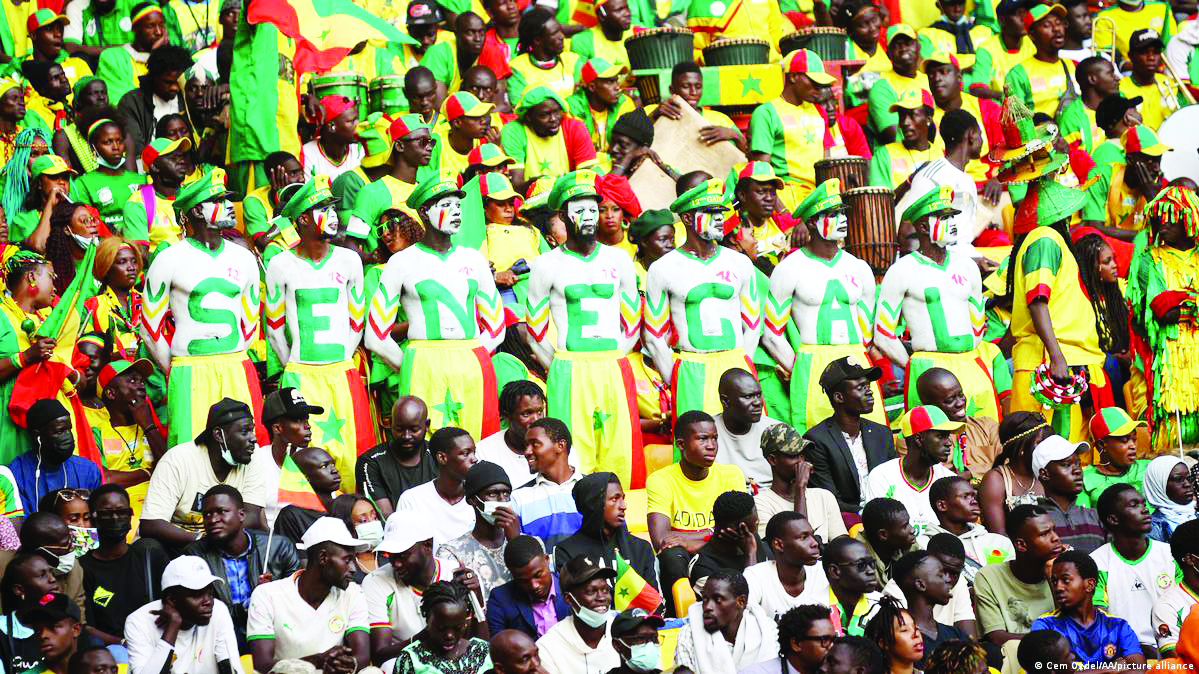
By Andrew Gum
The 2026 FIFA World Cup witnessed 10 African countries compete on the grand stage, yet none reached the final. Morocco made a progressive start, advancing to the quarter-finals with great performances, only to be eliminated by France for the second consecutive, first in the 2022 semi-finals and again in the 2026 quarter-finals.
Africa has produced some of the most memorable teams in World Cup history. In 1990, Cameroon shocked the world by defeating defending champions Argentina before reaching the quarter-finals. Twelve years later, Senegal repeated Cameroon’s achievement. They defeated defending champions France in the opening match of the 2002 World Cup and went on to reach the quarter-finals.
In 2010 Ghana were seconds away from reaching the semi-finals when Luis Suárez stopped a certain goal with his hand on the goal line. Ghana was awarded a penalty, but Asamoah Gyan hit the cross bara and Uruguay eventually won the penalty shootout.
Then came Morocco’s historic run in Qatar in 2022. The Atlas Lions defeated Belgium, Spain and Portugal to become the first African team to reach a World Cup semi-final. However, France ended their remarkable journey.
The 2026 World Cup was expected to be Africa’s biggest opportunity yet. With the tournament expanded to 48 teams, a record 10 African nations qualified. Nine of them reached the knockout stage, giving the continent its strongest collective performance in World Cup history. Yet, despite the progress, the same problem remained. Africa still could not reach the final.
Preparation, finances, strength
The reasons are complex. Many African teams struggle with a lack of preparation and continuity. Players often arrive from clubs across Europe just days before major tournaments, giving coaches limited time to build a strong team identity for example South Africa (Bafana Bafana) Players like Mbekezeli Mbokazi faced criticism for late camp arrivals. Frequent changes in coaches and football administrators also make it difficult to develop long-term plans.
There are also major financial challenges. Many African football federations do not have the same resources as their European and South American rivals. Investment in academies, sports science, medical teams, scouting and player development remains uneven across the continent.
The strength of domestic leagues is another concern. Many African countries continue to depend heavily on players developed in European academies. While African players continue to succeed abroad, stronger local football structures could help nations develop deeper and more competitive teams.
But perhaps the biggest lesson is the need for consistency. Morocco’s recent success shows what is possible when investment, planning and a clear football philosophy come together. The country has built a strong football system that has produced results at different levels. The challenge for the rest of Africa is to do more than celebrate Morocco’s success. Other nations must learn from it.
Reaching a World Cup final will require more than talented players. African teams need long-term planning, stable coaching, stronger domestic leagues, better youth development and greater investment in preparation.


