

By Andrew Gum
Samsung’s Galaxy S26 Ultra enters a highly competitive smartphone market where innovation is no longer judged by specifications alone. With rivals pushing larger batteries, advanced AI capabilities, and improved camera systems, the question is whether Samsung’s latest flagship still deserves its place among the industry’s best devices.
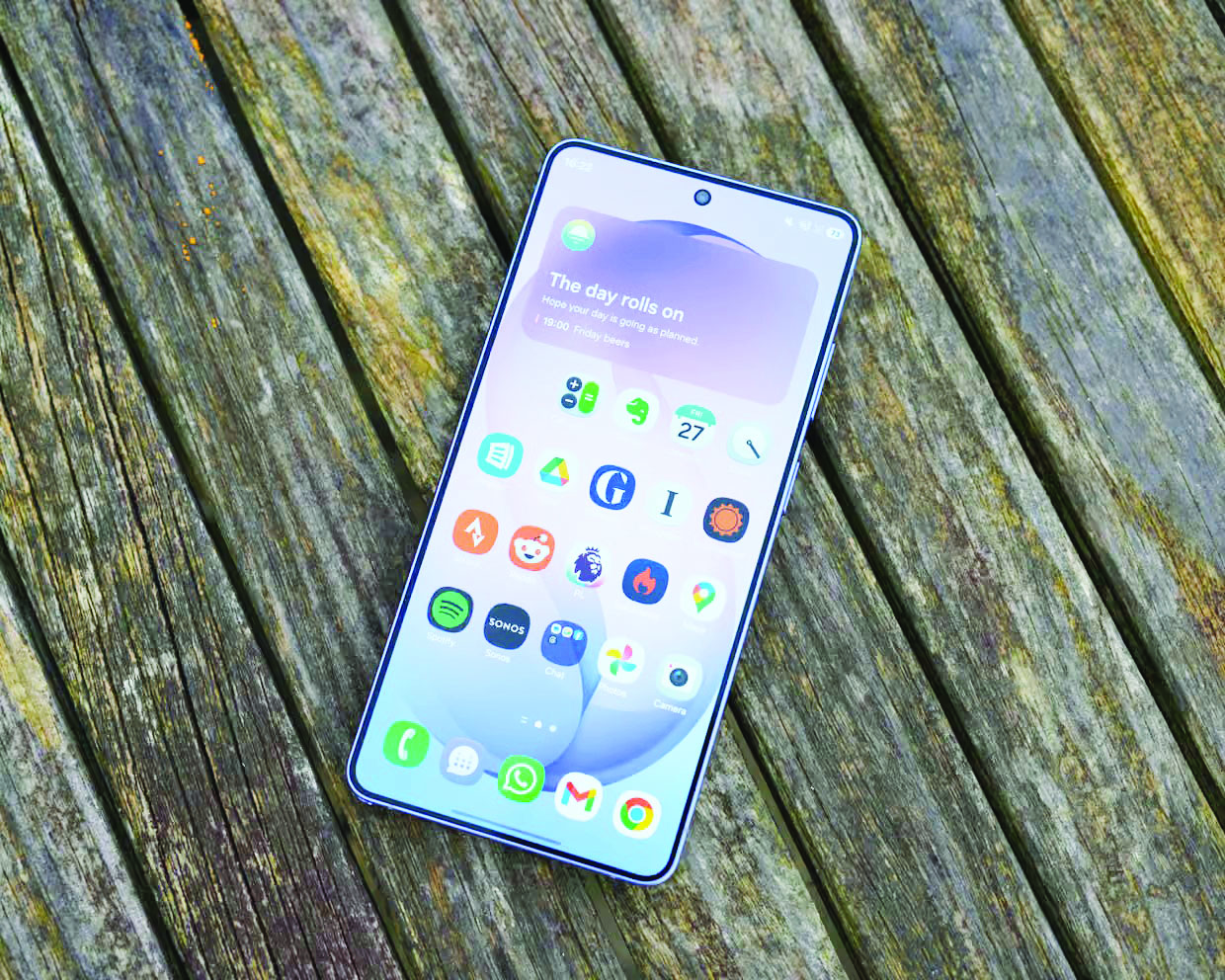
At first glance, the Galaxy S26 Ultra looks familiar. Samsung has softened the sharp corners that previously distinguished the Ultra line, giving the device a more rounded appearance that closely resembles the rest of the Galaxy S26 family. While the redesign makes the phone more comfortable to hold, it also reduces some of the unique identity that earlier Ultra models possessed.
The 6.9-inch display remains one of the phone’s strongest selling points. Bright, sharp, and exceptionally smooth, it provides an excellent experience for gaming, streaming videos, and everyday use. However, Samsung’s most significant display innovation this year is its new Privacy Display feature. Using a combination of hardware and software, the technology limits viewing angles, making it difficult for people nearby to see what’s on your screen.
Users can adjust privacy intensity levels or restrict the feature to specific applications and notifications, making it one of the most practical additions to the device.
Samsung has also expanded its artificial intelligence ecosystem. Running One UI 8.5 based on Android 16, the Galaxy S26 Ultra offers a wide range of AI-powered tools designed to improve productivity and convenience. Features such as transcription, image editing, text generation, and call assistance work effectively and integrate seamlessly into everyday tasks.
One of the biggest software changes is the return of Bixby as a large-language-model-powered assistant. Unlike previous versions, the upgraded assistant can understand more complex requests and interact with phone settings more effectively. Users can ask questions about device functions or request setting changes directly through voice commands.
Samsung also provides access to multiple AI assistants, including Google’s Gemini, Samsung’s enhanced Bixby, and Perplexity AI. This gives users flexibility, although the presence of several assistants may create some confusion regarding which service to use for specific tasks.
Another notable feature is “Now Nudge,” Samsung’s answer to Google’s Magic Cue. The system analyzes information from apps and offers timely suggestions while messaging, such as recent photos, locations, calendar events, and other useful content. While promising, it still lacks the sophistication of Google’s competing system.
Performance remains a major strength. The Galaxy S26 Ultra is powered by a customized version of Qualcomm’s Snapdragon Elite Gen 5 processor, making it one of the fastest Android smartphones available. Whether gaming, multitasking, video editing, or running AI-powered applications, the device handles demanding workloads effortlessly.
Samsung continues to offer 12GB of RAM on most models, while the premium 1TB variant includes 16GB. Combined with the powerful processor, the phone delivers a smooth and responsive experience throughout daily use.
Battery performance is equally impressive. The 5,000mAh battery may seem conservative compared to some Chinese competitors now offering capacities exceeding 7,000mAh, but Samsung compensates through optimization. The device comfortably lasts a full day of heavy use and can often stretch into a second day under moderate usage.
Charging speeds have also improved. The S26 Ultra supports up to 60W wired charging, reaching over 50 percent battery capacity in approximately 15 minutes and more than 80 percent within half an hour.
The camera system remains one of the phone’s standout features. Samsung has upgraded both the 200MP main camera and the 50MP 5x telephoto lens to capture more light, resulting in brighter images and improved low-light performance. Faster shutter speeds also reduce blur when photographing moving subjects.
The ultra-wide camera continues to deliver detailed images, while the improved telephoto system produces more natural background blur in portrait photography. Zoom capabilities remain extensive, with usable results up to around 30x magnification before image quality begins to decline.
In Uganda, the Galaxy S26 Ultra is expected to retail between UGX 3 million and UGX 3.9 million, placing it firmly within the premium smartphone category.


