By Beatrice Nakibuuka
Across Uganda, vegetable farming has become an important source of income and nutrition for many households. Tomatoes, cabbages, onions, eggplants, sukuma wiki, green pepper, amaranth, and nakati are grown for home consumption and sold in local and export markets.
Yet one of the biggest threats to profitable vegetable production often arrives unnoticed. Tiny insects can multiply within days, leaving leaves riddled with holes, fruits damaged beyond sale, and entire fields devastated. For many farmers, pests are responsible for reduced yields, increased production costs and lower incomes.
Samson Luwagga, an agronomist, remarks that managing vegetable pests effectively requires more than simply spraying pesticides. Instead, farmers should adopt an integrated approach that combines prevention, monitoring, biological control and responsible pesticide use.
Know your enemy
Different vegetables attract different pests, but several species are common across Uganda.
Aphids are among the most widespread. These tiny green, black or brown insects suck sap from young leaves and shoots, causing plants to curl, weaken and become stunted. They also spread viral diseases from one plant to another.
Whiteflies feed in a similar way and often leave behind a sticky substance that encourages the growth of black mould on leaves.
“Thrips are particularly destructive in onions, peppers and tomatoes. They feed by scraping plant tissues, causing silvery patches, leaf distortion and flower damage that can reduce fruit production,” Luwagga says.
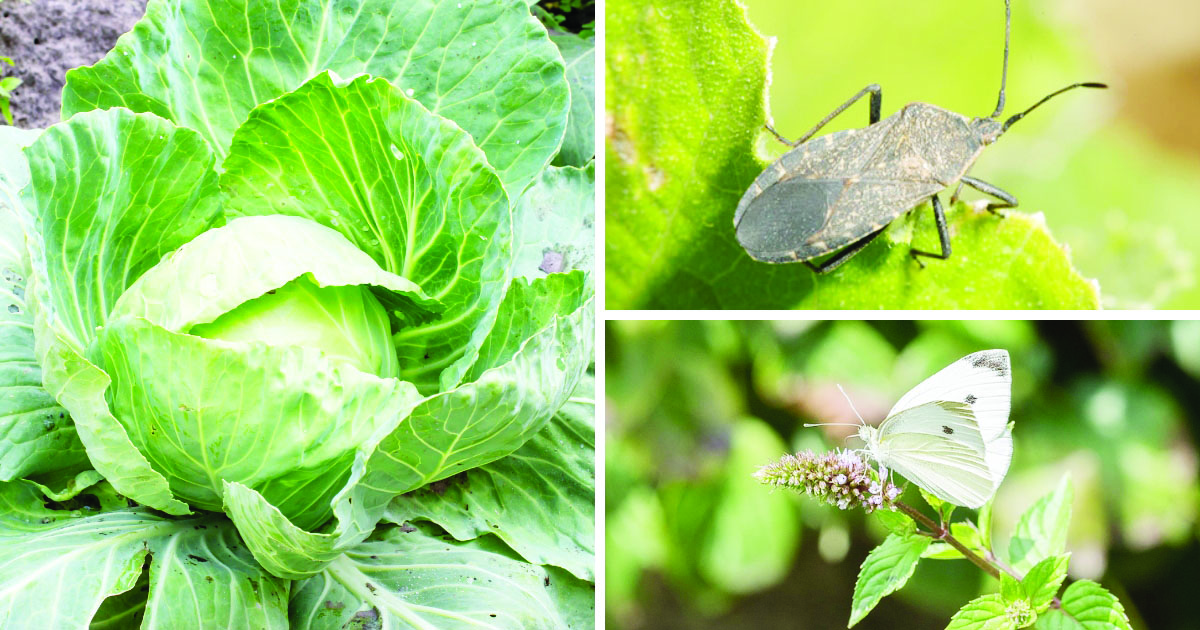
In cabbage and other brassica crops, the diamondback moth and cabbage caterpillars chew holes in leaves and can destroy crops if left unchecked.
Tomato growers frequently battle the tomato leaf miner, commonly known as Tuta absoluta. The pest tunnels through leaves, stems and fruits, making tomatoes unmarketable and causing severe economic losses.
He adds: “Spider mites thrive during hot and dry conditions, feeding on the undersides of leaves and causing yellowing and premature leaf drop. Cutworms attack seedlings at ground level, cutting them off before they become established.”
Early detection is very important
Successful pest management starts with regular field inspection.
According to Esther Akech, a vegetable farmer, farmers should walk through their gardens at least twice a week, examining both the upper and lower surfaces of leaves, checking flowers and inspecting developing fruits for signs of damage. Wilting, discoloured leaves, unusual spots, holes or insects should never be ignored.
“By identifying problems early, farmers can act before pest populations explode and become difficult or expensive to control,” she says.
Monitoring also helps avoid unnecessary pesticide applications, reducing costs and protecting beneficial insects.
Prevention begins before planting
Good farm hygiene is one of the simplest and most effective ways to reduce pest problems.
“Crop residues left after harvesting often harbour insects and their eggs. Removing and destroying infected plant material breaks pest life cycles and reduces carry-over into the next season,” Luwagga warns.
Crop rotation also helps. Continuously planting tomatoes after tomatoes or cabbages after cabbages allows pests to build up in the soil and surrounding environment. Alternating vegetables with unrelated crops reduces this pressure.
“Using healthy seedlings from reputable nurseries is equally important. Farmers should avoid transplanting weak or infested seedlings that can introduce pests into otherwise clean fields,” says Akech.
Timely weeding is another essential practice because many weeds act as alternative hosts for destructive insects.
Healthy plants resist pests better
Well-managed crops are naturally more resilient.
Adequate fertiliser application, proper spacing, irrigation during dry periods and good soil management help plants grow vigorously and recover more quickly from minor pest attacks.
Overuse of nitrogen fertilisers, however, can produce lush, tender growth that attracts sap-sucking insects such as aphids and whiteflies.
Natural pest controllers
Not every insect found in a vegetable garden is harmful.
Ladybird beetles feed voraciously on aphids, while lacewings and hoverfly larvae consume many soft-bodied pests. Tiny parasitic wasps attack caterpillars and other destructive insects, helping keep populations under control.
Indiscriminate spraying can kill these beneficial organisms, removing nature’s own defence system.
Luwagga says farmers are encouraged to conserve natural enemies by avoiding unnecessary pesticide applications and by using products that are less harmful to beneficial insects whenever possible.
How physical barriers can reduce infestations
Simple techniques can prevent many pest problems before they start.
Fine insect-proof nets protect nursery beds and high-value vegetables from moths, whiteflies and aphids while allowing sunlight and airflow.
Removing heavily infested leaves or fruits from the field can also reduce the spread of insects and associated diseases.
Use pesticides wisely
Chemical pesticides remain important tools when pest populations reach damaging levels, but they should never be the first or only solution.
Before spraying, farmers should correctly identify the pest and choose a pesticide registered for that particular crop and problem. Misuse wastes money and may fail to control the infestation.
“Instructions on the product label should be followed carefully regarding dosage, mixing rates and timing. Overdosing can damage crops, leave excessive residues and accelerate the development of pesticide resistance,” Akech warns.
Protective clothing should always be worn during application, and harvested vegetables should not be consumed or sold before the recommended pre-harvest interval has elapsed.