

By Beatrice Nakibuuka
The woman standing in front of a supermarket shelf in Kampala thought she had made a smart financial decision. The cooking oil she wanted was selling at a discount, its packaging looked identical to a well-known brand, and there was little reason to suspect anything was wrong.
Only after using it did she begin to question its quality.
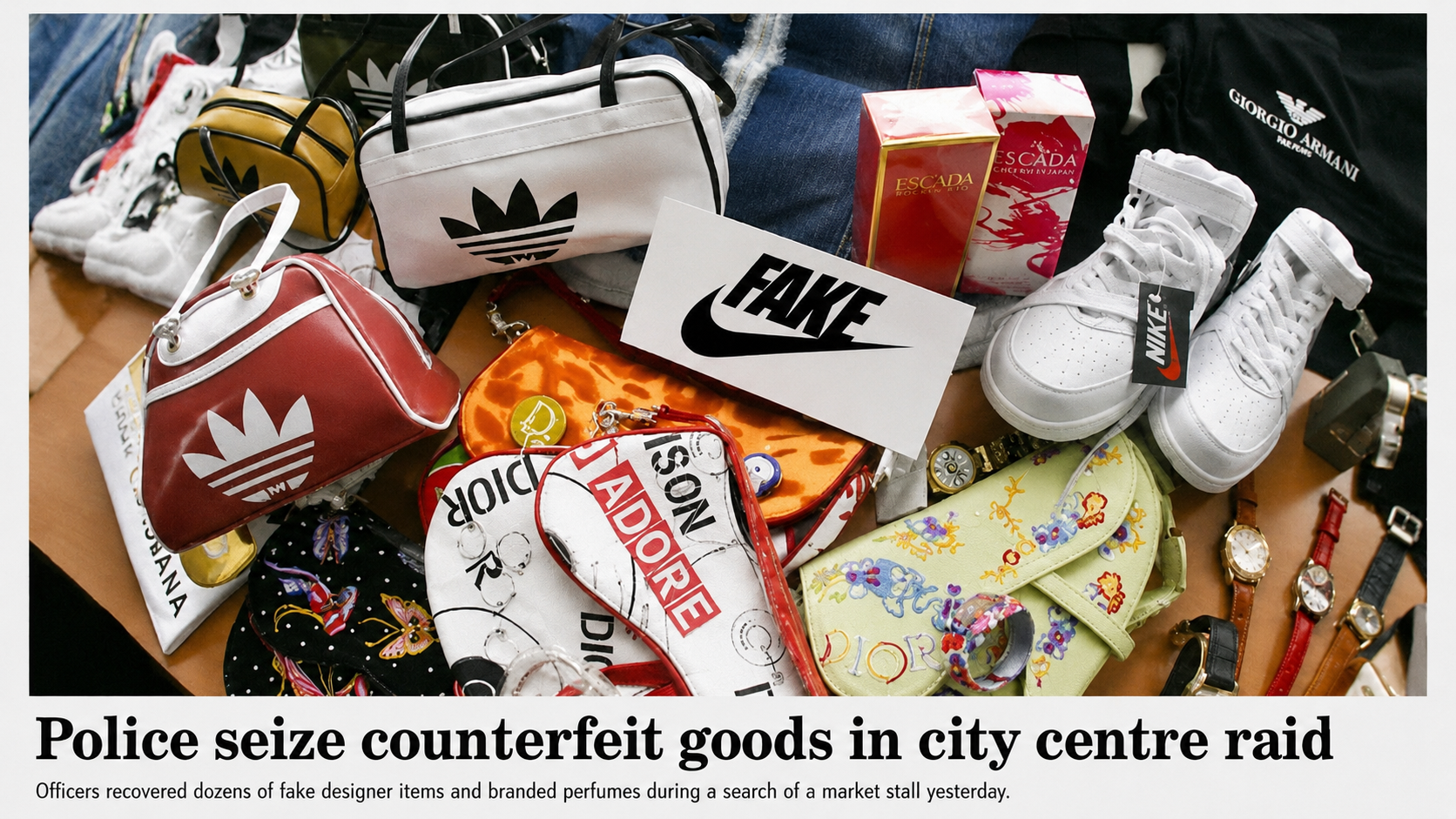
Across Uganda, stories like hers are becoming increasingly common. From cosmetics and electrical appliances to agricultural inputs, beverages and household goods, counterfeit and substandard products continue to find their way into shops and markets, often disguised as trusted brands.
While consumers are the first victims, the damage extends much further. Fake products quietly drain billions of shillings from the economy, undermine honest businesses, threaten jobs and weaken confidence in Ugandan-made goods.
A problem hiding in plain sight
The Uganda National Bureau of Standards (UNBS), the government agency responsible for enforcing product standards, has repeatedly warned that counterfeit and substandard goods remain a significant challenge.
Recent reports citing UNBS surveillance indicate that more than half of sampled products on the Ugandan market have failed quality or compliance tests, at 54 per cent. These include substandard goods, counterfeit goods and improperly labelled or expired goods.
The agency has estimated that the problem costs Uganda around Shs6 trillion every year, reducing government revenue while exposing consumers to potentially dangerous products.
When imitation drives out innovation
For Uganda’s legitimate manufacturers, counterfeit goods create an uneven playing field.
According to Joseph Kisitu, businessman, producing a genuine product requires investment in raw materials, skilled labour, taxes, quality assurance and certification. Companies spend years building consumer trust and developing recognisable brands.
“Counterfeiters avoid many of these costs. By copying labels and packaging or by producing goods that fail to get required standards, they can sell at much lower prices while misleading unsuspecting buyers,” Kisitu says
The result is that businesses playing by the rules lose customers to illegal competitors.
For small and medium enterprises, this can be devastating. Lower sales mean less money to hire workers, purchase equipment or expand operations. In severe cases, businesses may abandon promising product lines altogether because competing with counterfeit versions becomes impossible.
The effects are felt beyond factory gates according to Sylvia KIrabo, the spokesperson UNBS. A local manufacturer employing 100 people may reduce production because fake alternatives have flooded the market.
“Suppliers receive fewer orders for packaging materials or raw ingredients. Transporters carry fewer consignments. Retailers selling genuine products struggle to match suspiciously cheap prices,” Kirabo says.
In this way, counterfeit goods become an employment issue as much as a consumer protection problem.
Consumers often buy fakes unknowingly
Many Ugandans do not deliberately seek counterfeit products. Rather, they are trying to stretch limited household budgets.
Kisitu says: “A product selling for several thousand shillings less than competitors can appear to be a bargain, especially when packaging closely resembles that of a trusted brand. Some counterfeiters even forge certification marks or imitate labels so convincingly that only laboratory testing or close inspection can reveal the difference.”
According to UNBS, counterfeit products include food items, paints, cosmetics, electrical goods and other everyday commodities, some of which may present serious health or safety risks. In enforcement operations, the agency has seized thousands of litres of fake paint and uncovered businesses producing imitations of established brands.
The cost goes beyond the checkout counter
When consumers unknowingly purchase fake or substandard goods, the consequences can be expensive.
A low-quality electrical cable may increase the risk of fire. Counterfeit cosmetics may contain unsafe ingredients. Inferior agricultural inputs can reduce crop yields, leaving farmers with poor harvests despite months of investment and labour.
Even where a product does not pose an immediate health risk, poor durability means consumers often spend more replacing it than they would have paid for a genuine item in the first place
Vigilance is essential
UNBS has warned against purchasing uncertified products and emphasised that manufacturers and importers should obtain proper certification before placing goods on the market. Officials say allowing unverified products into circulation can expose consumers to unnecessary risks and undermine fair trade.
“To strengthen enforcement,” Kirabo says, “UNBS has also promoted the use of digital conformity marks and traceability technologies that enable consumers and inspectors to verify whether certain products have been genuinely certified. The agency argues that technology can make it harder for counterfeiters to deceive buyers and easier to trace suspicious goods through the supply chain.”
What consumers can do
Although regulators continue to crack down on counterfeit goods, consumers remain an important line of defence.
“Shoppers should purchase products from reputable outlets, inspect packaging carefully, look for certification where applicable, verify expiry dates and be cautious of prices that seem unusually low compared with prevailing market rates. Keeping receipts can also make it easier to report suspicious products or seek redress,” Kirabo says.


