By Beatrice Nakibuuka
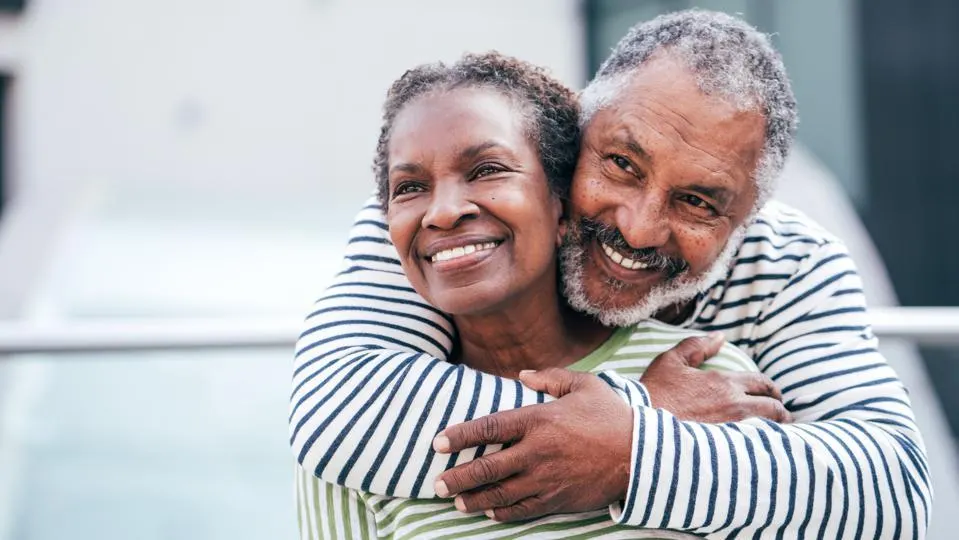
At 72, Mzee Kato of Mukono still rises with the sun to tend his coffee shamba. His back is slightly curved, his steps less sprightly than before, but his smile remains undimmed.
“I eat well, I keep moving, and I sleep like a child,” he says, a quiet pride in his voice. What may appear to be a simple routine is, in fact, supported by science as a powerful approach to aging well.
Across Uganda, more people are living longer than ever. Improvements in healthcare, better nutrition, and growing awareness of healthy habits have enabled more citizens to reach old age in relatively good health. According to the World Health Organization (WHO), the number of people aged 60 and over will double globally by 2050, with much of this growth taking place in low and middle-income countries like Uganda. While Uganda still has one of the youngest populations in the world, the signs of demographic transition are becoming.
This shift presents both opportunities and challenges. How do we ensure that older people remain healthy, independent, and active members of society? And how can communities prepare for a future in which aging is not an exception but a widespread reality?
Cellular foundation of aging
At its most basic level, aging begins in our cells, the tiny units that form every part of our bodies. These cells perform vital tasks: transporting oxygen, repairing tissues, transmitting nerve signals, and defending against disease. Dr Nelson Mutyaba, a general physician, explains that the human body comprises over 200 distinct cell types, each with a specific role.
“Skin cells act as a barrier, muscle cells enable movement, blood cells carry oxygen and fight infection, and stem cells regenerate damaged tissue,” he says.

He adds: “As we grow older, these cells begin to function less efficiently. However, this decline is not predetermined it is strongly influenced by how we care for ourselves.”
Thus, healthy aging is fundamentally about maintaining the vitality of our cells, and that starts with daily lifestyle choices.
Food as medicine
One of the most powerful tools we have to support healthy aging is diet. Ivan Baguma, a nutritionist at Amicable Nutritionist, underscores the importance of eating a variety of colourful fruits, leafy vegetables, whole grains, legumes, and healthy fats.
“When you eat moringa, nakati, beans, simsim, or avocado, you’re giving your body the nutrients it needs to heal, grow, and protect itself,” he says.
Foods rich in antioxidants, such as berries, mangoes, and greens, combat free radicals, unstable molecules that damage cells and accelerate aging. Omega-3 fatty acids found in fish, chia seeds, and flaxseeds help preserve cell membrane function and improve intercellular communication.
Equally important is hydration. “Many elderly people no longer feel thirsty, but that doesn’t mean their bodies don’t need water. Even mild dehydration can lead to fatigue, confusion, poor digestion, and weakened immunity. Clean water is critical to every cellular process,” Baguma explains.
By contrast, highly processed foods, especially those high in added sugar, salt, and artificial additives, promote inflammation and cellular damage.
“Avoiding sugary drinks, packaged snacks with trans fats, and deep-fried foods can have significant long-term benefits,” he adds.
Medicine in motion
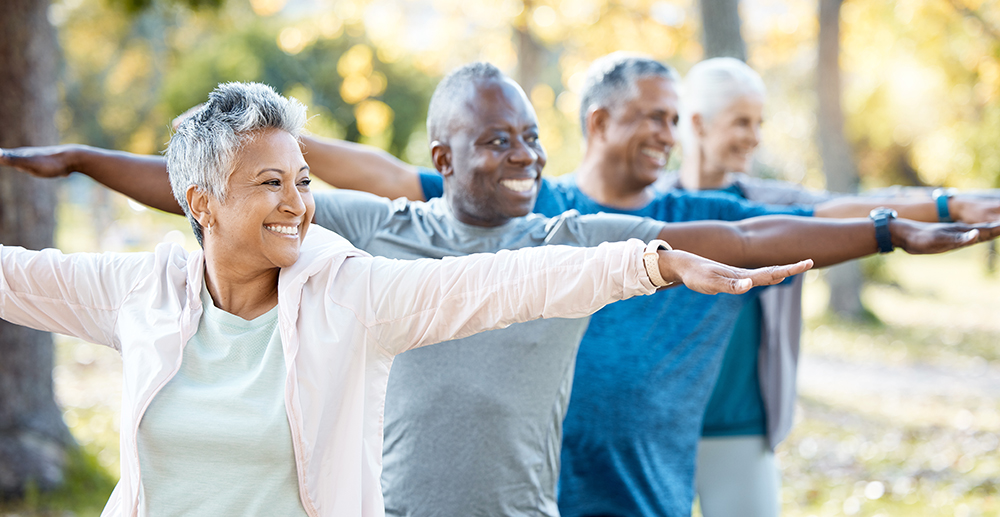
Physical activity is another cornerstone of healthy aging. Fortunately, in Uganda, movement is often integrated into everyday life, walking to the market, farming, sweeping the compound, or tending animals.
“Exercise enhances circulation, which delivers oxygen and nutrients to every cell,” Dr Mutyaba says. He explains that it also stimulates mitochondria, the structures inside cells that generate energy.
Consistent movement also lowers the risk of chronic diseases like diabetes, heart disease, and obesity. It strengthens bones and muscles, supports good posture and balance, and reduces the likelihood of falls, a major cause of disability in older age.
Activities such as stretching, traditional dancing, or even participating in communal clean-up efforts can be both enjoyable and beneficial for body and mind.
Sleep
In many rural parts of Uganda, the rhythm of life naturally aligns with the sun. Older people often wake early and retire soon after sunset. However, poor sleep, caused by discomfort, noise, pain, or anxiety can quietly erode health.
“Sleep is when the body repairs itself. It’s like a nightly maintenance shift for your organs and cells. Inadequate sleep weakens immunity, impairs memory, and makes it harder for the body to manage blood sugar and pressure,” Dr Mutyaba explains.
Adults should aim for seven to nine hours of quality sleep each night. Creating a conducive sleep environment, dark, quiet, and cool, and avoiding screens and heavy meals before bedtime can help improve rest and rejuvenation.
Manage stress
Although the later stages of life may bring a slower pace, they also carry distinct pressures: loneliness, financial strain, loss, or caregiving responsibilities. Prolonged stress has far-reaching physical consequences. It increases levels of cortisol, a hormone that, when elevated over time, disrupts immune function and slows cellular repair.
Dr Susan Tusiime, a cardiologist says chronic stress is like a silent toxin. It raises inflammation, interferes with digestion, weakens memory, and speeds up the aging process.
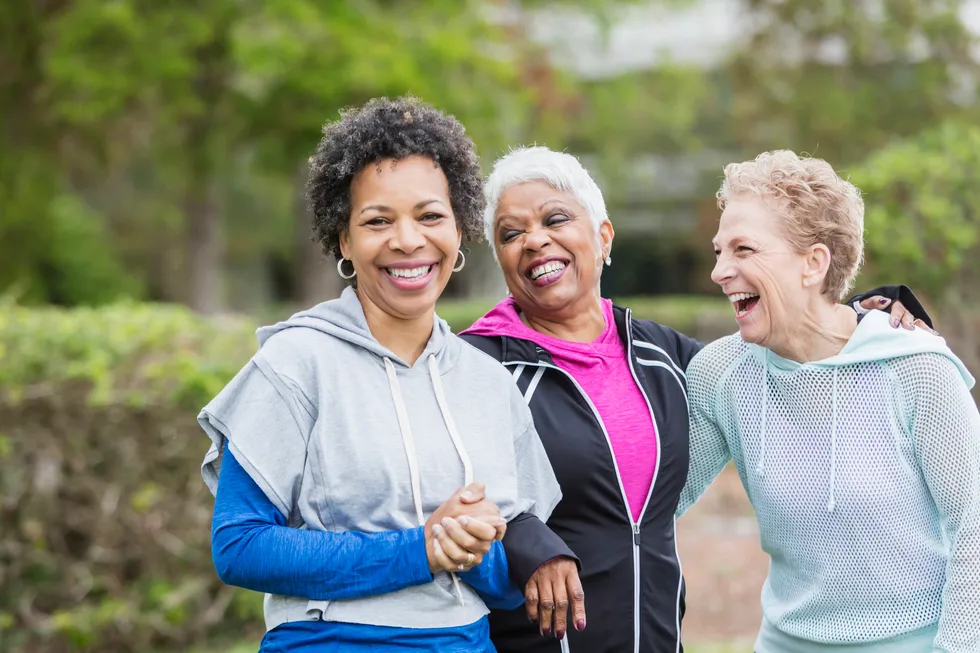
Managing stress does not require costly interventions. Simple, accessible practices, such as deep breathing, prayer, singing, spending time in nature, or enjoying a good laugh. Maintaining social ties is equally vital. Church groups, savings associations, community gatherings, or spending time with grandchildren can boost mental and emotional wellbeing.
“Strong social connections are protective. They lift the spirit and strengthen the immune system,” Dr Tusiime adds.
Avoiding cellular enemies
While aging is natural, certain behaviours speed up the process unnecessarily. Chief among them is smoking, which introduces harmful chemicals into the body, reduces oxygen levels, and damages DNA.
“Smoking poisons every cell in your body and significantly accelerates the aging process,” Dr Tusiime says.
Excessive alcohol consumption is another threat. It taxes the liver, impairs judgment, disrupts sleep, and increases inflammation. Even moderate drinking can hinder the body’s ability to repair itself.
Urban diets are increasingly filled with ultra-processed foods high in preservatives and unhealthy fats.
“These products raise oxidative stress, damaging cells over time,” Baguma warns.
Supporting immune army
The immune system, our body’s natural defence force, becomes less efficient with age. However, its decline can be slowed. A balanced diet, regular physical activity, adequate sleep, and stress management all contribute to immune resilience.
Fermented foods such as yoghurt, obushera (fermented millet porridge), and sour milk are particularly valuable. “They introduce beneficial bacteria to the gut, which improves digestion, boosts immunity, and enhances nutrient absorption,” Baguma says.
Vaccinations also play a crucial role, particularly for older adults at higher risk of infections like influenza or pneumonia. Regular medical check-ups can detect conditions early, preventing more serious complications later on.
Community’s role in healthy aging
Individual lifestyle choices are critical, but a supportive environment is equally important. Communities can help by ensuring safe pathways, accessible health centres, affordable transport, and respectful healthcare.
Religious institutions, local councils, and NGOs can all play a part by creating inclusive spaces where older adults feel welcome, needed, and heard. Opportunities for continued learning, volunteering, or mentorship strengthen intergenerational bonds and affirm the dignity of older people.
The WHO’s Decade of Healthy Aging (2021–2030) calls on governments and societies to break down age-related barriers and promote wellbeing at every stage of life. Uganda can be a regional leader by investing in elder-friendly infrastructure, training health workers in geriatric care, and celebrating the wisdom and contributions of its older citizens.
Older people are not a burden they are a wellspring of knowledge, resilience, and continuity.
Gift of growing old
Aging is an unavoidable part of life, but suffering is not. With the right habits, informed choices, and community support, the later years of life can be vibrant, dignified, and fulfilling.
Mzee Kato’s humble routine may never make front-page news, but it carries timeless wisdom: eat well, move often, sleep deeply, and nurture the soul.
“Every small choice we make, what we eat, how we move, how we rest, either strengthens or weakens our cells,” Dr Mutyaba says.
The secret to aging well is not hidden in pills or foreign clinics. It lies in the food we grow, the water we drink, the songs we sing, and the love we give and receive. Whether you are 30 or 70, it is never too early or too late to honour your body from the inside out.