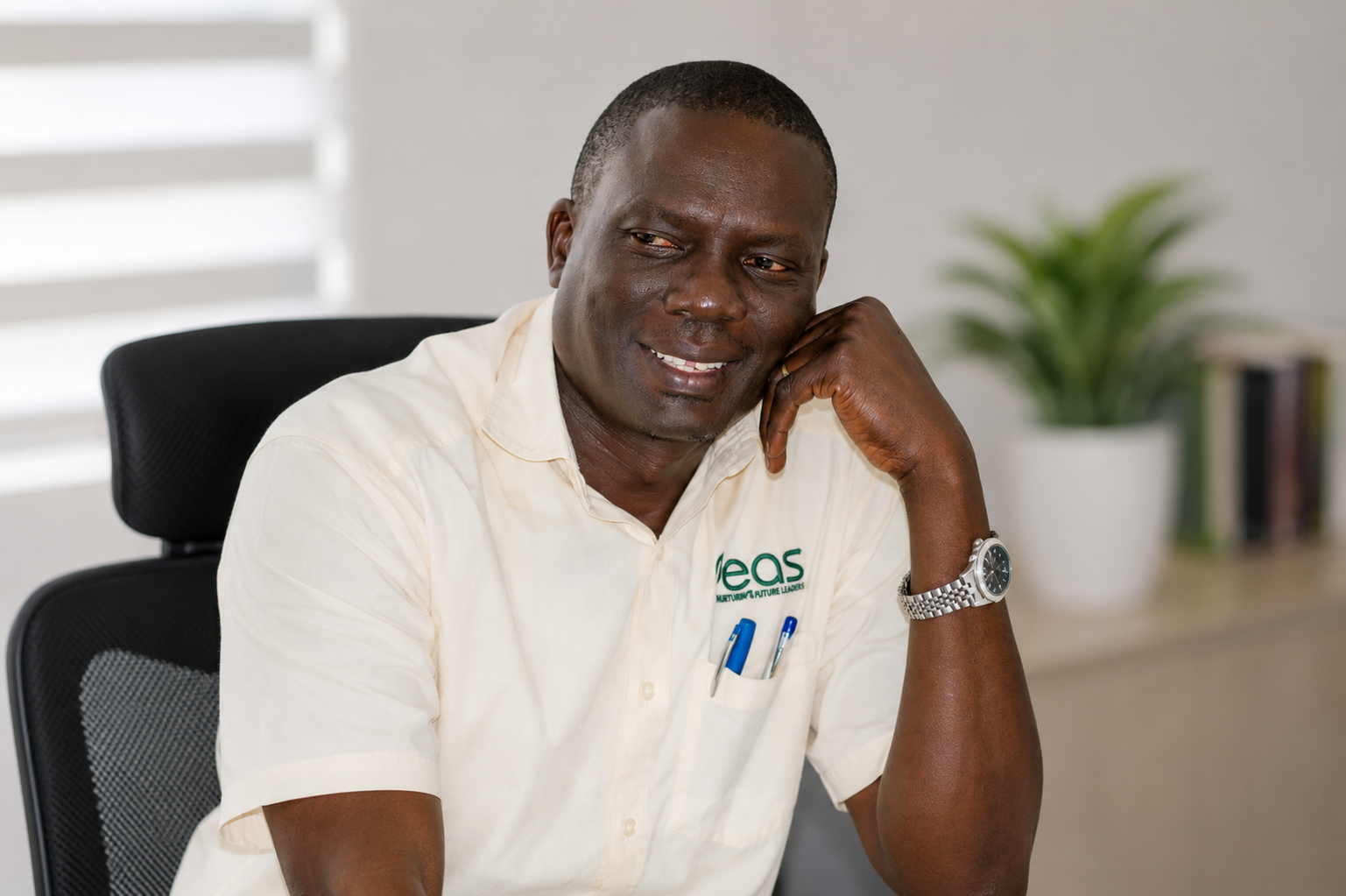
By Daniel Kyasanga
Across Sub-Saharan Africa, millions of students attend secondary schools that remain underfunded, poorly supported, and disconnected from effective systems of accountability and improvement. While access to education has expanded over the years, the bigger challenge now is improving the quality of learning.
The problem is no longer simply about getting children into classrooms. It is about how schools are managed, how teachers are supported, and how education systems are strengthened to deliver better outcomes.
According to UNESCO’s 2023 Global Education Monitoring Report, Sub-Saharan Africa has the world’s lowest upper secondary school completion rate at about 42 per cent. Many learners also leave school without basic literacy and numeracy skills.
For many years, education reforms in Africa focused mainly on building classrooms, recruiting teachers, and increasing enrolment. While these investments remain important, they alone cannot guarantee quality education. Research has shown that physical resources produce only limited results when school leadership and management systems are weak.
Countries such as Rwanda, Kenya, and Botswana have made progress by strengthening inspection systems, investing in teacher development, and empowering school leaders. Rwanda, for instance, reduced secondary school repetition rates through decentralised school improvement programmes and head teacher training. Kenya also recorded improved examination performance through school-based teacher development initiatives.
In Uganda, Promoting Equality in African Schools (PEAS) is supporting efforts to strengthen secondary education systems, especially in rural areas. Working with the Directorate of Education Standards under the Ministry of Education and Sports, PEAS is implementing the Inspect and Improve programme aimed at improving school leadership, inspection, and continuous school improvement.
The programme currently supports 215 schools across 23 districts and has reached more than 218,000 students. An independent evaluation by the National Foundation for Educational Research found improvements in teacher attendance, student attendance, school management, and learning environments.
Africa’s education systems need more than infrastructure. Strong leadership, teacher mentorship, accountability, and continuous professional support are essential if schools are to deliver better outcomes. Sustainable improvement will come from investing in people and systems that support learning every day.
The writer is the Deputy Country Director of PEAS Uganda