By Beatrice Nakibuuka
For many Ugandan households and businesses, security has long meant strong padlocks, metal gates and trusted guards. These methods still matter, but a quiet shift is taking place. Across Kampala and other urban centres, more people are turning to digital solutions such as smart cards, coded locks and motion sensors to protect their homes and workplaces.
Driven by rapid urbanisation, rising safety concerns and the growing availability of affordable technology, smart door security systems are no longer reserved for high-end offices. They are slowly becoming practical tools for ordinary Ugandans.
“People are now more aware that security is not just about reacting to theft, but preventing it,” says Moses Kato, a Kampala-based security systems installer. “Smart systems give you control and early warning.”
Traditional locks come with familiar challenges. Keys can be lost, stolen or duplicated without the owner’s knowledge. In shared spaces such as rentals, offices and hostels, managing multiple keys can become complicated.
Smart systems address this by replacing or improving physical keys with digital access. Instead of asking, “Who has the key?”, the question becomes, “Who has authorised access?”
“In many offices, we used to struggle with former employees still having keys,” says Sarah Namusoke, an administrator at a private company in Kampala. “Now we simply deactivate access. It is faster and much safer.”
How smart access systems work
Smart cards are among the most widely used technologies. These small plastic cards contain a chip or magnetic strip that communicates with a reader installed on a door. When tapped or swiped, the system checks whether the user is authorised. If approved, the door unlocks instantly.
While common in hotels and corporate offices, smart cards are gradually appearing in apartments, schools and co-working spaces. Their biggest advantage is control. Access can be granted or withdrawn without changing locks. If a card is lost, it can be deactivated and replaced.
They also improve accountability. In workplaces, the system can record who enters or exits and at what time.
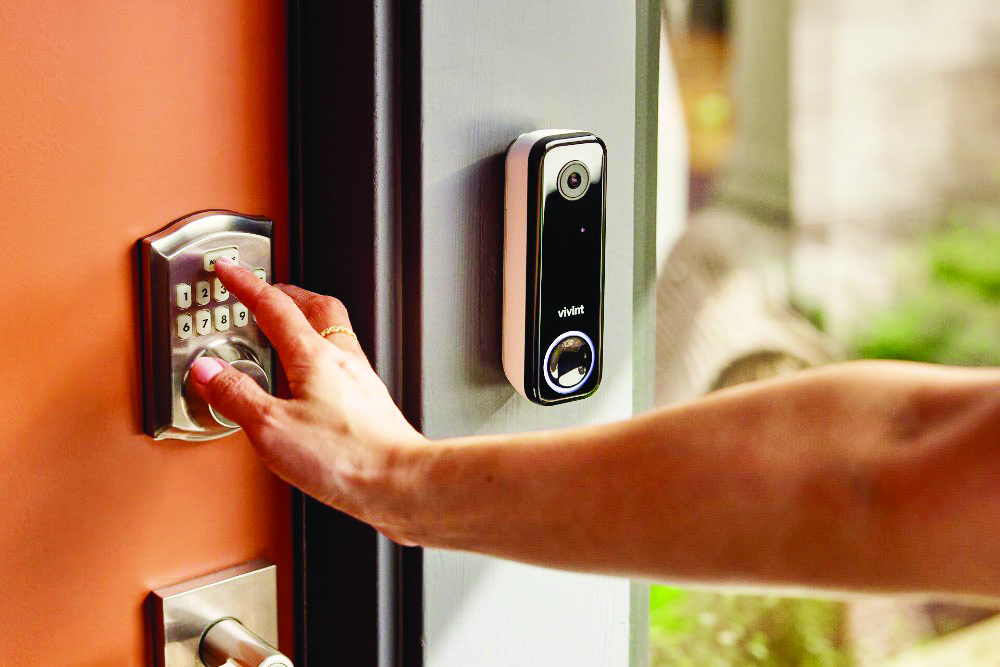
Another popular option is the numeric keypad. Instead of a key or card, users enter a code to unlock the door. These systems are simple, affordable and easy to install, making them ideal for homes and small businesses.
“I installed a keypad lock at my shop because I was tired of losing keys,” says James Ssemanda, a business owner in Nakawa. “Now I just change the code whenever I feel security might be compromised.”
The convenience is clear, but there are risks. Codes can be shared or observed. Experts advise regular changes and avoiding obvious combinations such as birth dates.
More advanced systems now combine keypads with fingerprint scanning or mobile phone access, adding another layer of protection.
Sensors also play a key role. Motion sensors, door contact sensors and infrared detectors can pick up unusual activity and alert users before a break-in occurs.
“Most break-ins happen when no one is around,” says Kato. “Sensors help you detect a problem immediately instead of discovering it too late.”
In many cases, these systems can trigger alarms, switch on lights or send notifications directly to a phone.
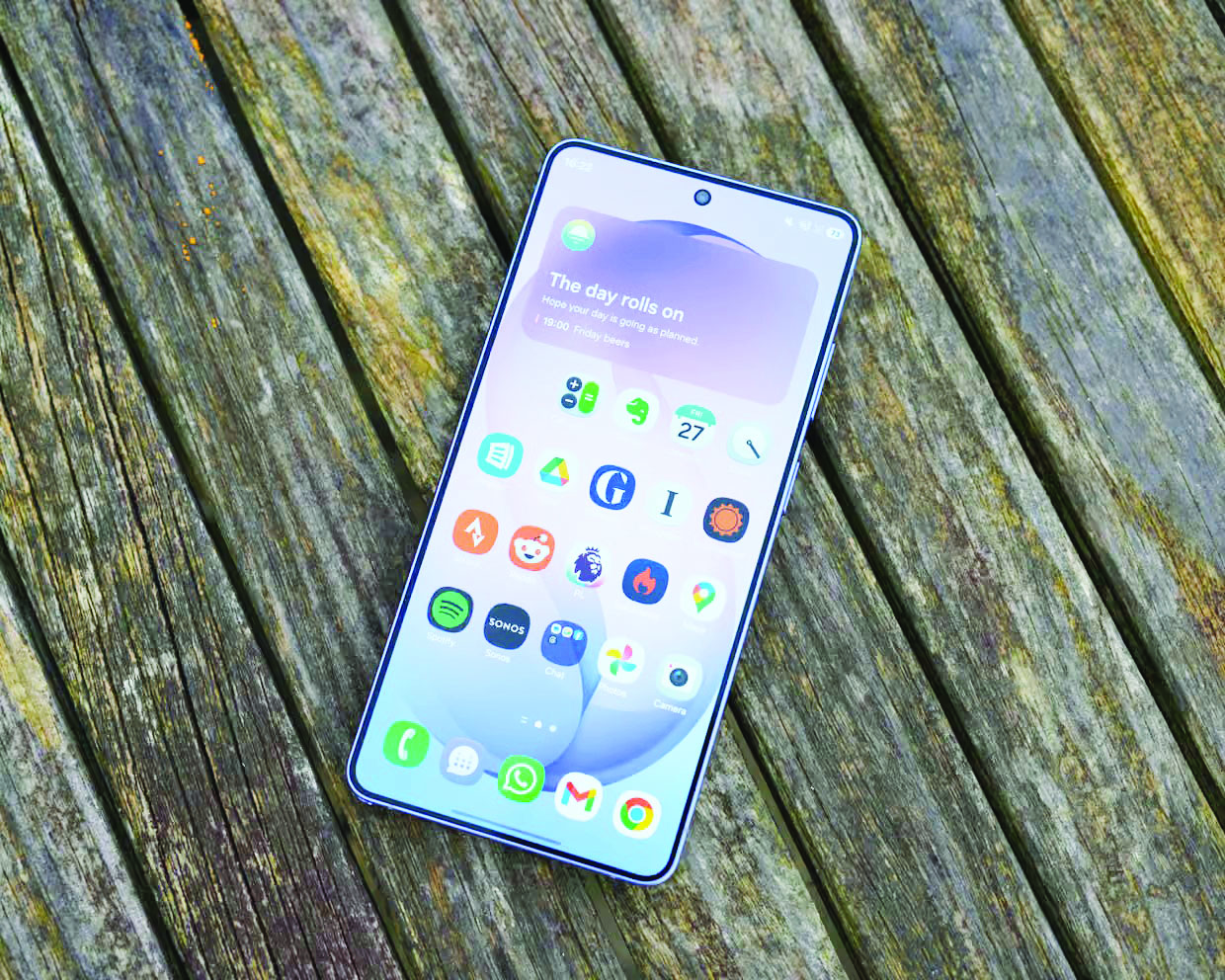
Mobile phone integration is one of the most significant developments. Many systems now allow users to control access remotely through apps. A homeowner can open a door for a visitor while away, or a landlord can grant access without being on site.
“Remote access is a game changer,” says Brian Okello, an ICT consultant. “Even if you are upcountry, you can still manage your property in Kampala.”
Cost, challenges and the road ahead
Despite the benefits, cost remains a concern. Basic keypad locks are within reach for many middle-income households, but more advanced systems with sensors and mobile integration can be expensive, especially when installation and maintenance are included.
However, prices are gradually falling as technology becomes more common. Local security firms are also offering solutions tailored to the Ugandan market.
Power reliability is another challenge. Many systems depend on electricity, and outages can disrupt performance. Backup batteries or solar options can help reduce this risk.
There is also a learning curve. Users need basic knowledge to operate and maintain these systems effectively. Without it, even the best technology can be underused.
Privacy is an emerging issue as well. Systems that track entry and exit data must be managed responsibly to protect personal information.
“Technology is only as good as how you use it,” Okello says. “People need guidance to get the full benefit.”
Experts also caution that smart systems should complement, not replace traditional security measures such as physical barriers and community vigilance.