By Sandra K. Walugembe
An ectopic pregnancy occurs when a fertilised egg implants outside the uterus, most commonly in the fallopian tubes. This potentially life-threatening condition often leads to the rupture of the tube, causing internal bleeding and severe complications.
“The primary function of the fallopian tubes is to transport eggs from the ovaries to the uterus,” explains Dr John Ssekyanzi, a gynaecologist at Women’s Hospital International & Fertility Centre in Bukoto.
He adds: “However, when this passage is blocked, the fertilised egg may fail to reach the uterus and instead implant within the tube.”
The fallopian tubes are two narrow, muscular structures that lie close to the ovaries. Any obstruction, scarring, or damage can impede the egg’s journey, leading to an ectopic pregnancy. This blockage is often caused by scarring along the inner walls of the tubes, which can result from a variety of factors.
Causes of fallopian tube blockage
Infections
“Infections such as gonorrhoea and chlamydia can spread rapidly from the cervix to the fallopian tubes. If left untreated, they can cause pelvic inflammatory disease (PID), which leads to inflammation and scarring of the reproductive organs,” Ssekyanzi says.
According to the World Health Organization (WHO), over one million sexually transmitted infections are acquired every day. Gonorrhoea and chlamydia, in particular, are major causes of PID and subsequent infertility.
The body reacts to these infections by sending antibodies to fight off invading antigens such as bacteria and fungi. In severe cases, this immune response may result in widespread inflammation in the pelvic cavity, leading to the formation of adhesions. These adhesions can cause the organs, including the fallopian tubes, ovaries, bladder, and intestines, to stick together, ultimately blocking the passage needed for egg transport.
Ssekyanzi adds: “If the blockage is partial, fertilisation might still occur. However, the fertilised egg may become trapped in the tube, resulting in an ectopic pregnancy.”
Previous surgeries
Surgeries involving the reproductive organs, such as those for fibroids, endometriosis, ovarian cysts, caesarean sections, or even some abortions, can lead to the development of scar tissue. These scars may hinder the egg’s movement along the fallopian tubes.
Powdered surgical gloves
Dr Ssekyanzi also notes that surgical gloves coated with powder can be a hidden danger. “The body recognises the powder as a foreign substance. When introduced into the abdomen during surgery, it can trigger an immune reaction that causes scarring and adhesions,” he explains.
This scarring, he says, may spread within the abdominal and pelvic cavities, leading to the coiling and eventual blockage of the fallopian tubes.
Hormonal products
The long-term use of hormonal products such as skin bleaching creams, anti-ageing treatments, and certain contraceptive pills can also interfere with normal reproductive processes.
“These products often contain oestrogen, which, when accumulated in the body, leads to muscle contractions and spasms in the fallopian tubes. Such contractions may narrow the tubes and hinder the passage of the fertilised egg,” Ssekyanzi says.
If fertilisation occurs during continued use of these products, the increased oestrogen levels may result in the embryo becoming lodged in the tube, again leading to an ectopic pregnancy.
Multiple risk factors
Dr Ssekyanzi highlights that a combination of factors can increase the risk significantly. “A woman who has previously had pelvic infections, underwent abdominal surgery using powdered gloves, and uses hormonal products is at higher risk of tubal blockage, partial or complete,” says.
Can a woman with an ectopic pregnancy carry to term?
“Carrying an ectopic pregnancy is a life-threatening situation that requires immediate medical intervention,” says Emily Likico Opu, Vice President of the National Midwives Association Uganda.
In an ectopic pregnancy, the embryo cannot develop normally, and the growing tissue may rupture the tube, causing internal bleeding. Opu explains that conception after an ectopic pregnancy is only possible if the other fallopian tube is healthy and functional. However, Dr Joseph Muhumuza, a gynaecologist at Mulago National Referral Hospital, adds that in cases where the tubes are blocked but not ruptured, a procedure known as tubal flushing may be attempted to clear the blockage.
Hidden danger of silent ectopic pregnancies
Alarmingly, some ectopic pregnancies may go undetected for weeks or even months. “There have been cases where a pregnancy developed in the abdominal cavity without any immediate symptoms. These pregnancies can grow to near full term,” Ssekyanzi says.
He recounts incidents where women presented at delivery with an intact uterus and an empty endometrial cavity, only to discover the baby was developing outside the womb.
“This is why it is crucial for expectant mothers to regularly visit health facilities to confirm the location of their pregnancy and monitor its progress,” he advises.
Prevention, hygiene practices
Dr Ssekyanzi underscores the importance of personal hygiene and open communication with healthcare providers.
“Women should clean toilet seats before use and ensure they wipe from front to back to prevent infections from entering the reproductive tract,” he advises. He further recommends that anyone planning to conceive should avoid long-term use of skin-lightening, anti-ageing products, and hormonal contraceptives without medical supervision.
He urges: “Seek early counselling from a fertility specialist or gynecologists’. Always be open with your doctor and ask questions.”

Early diagnosis is key
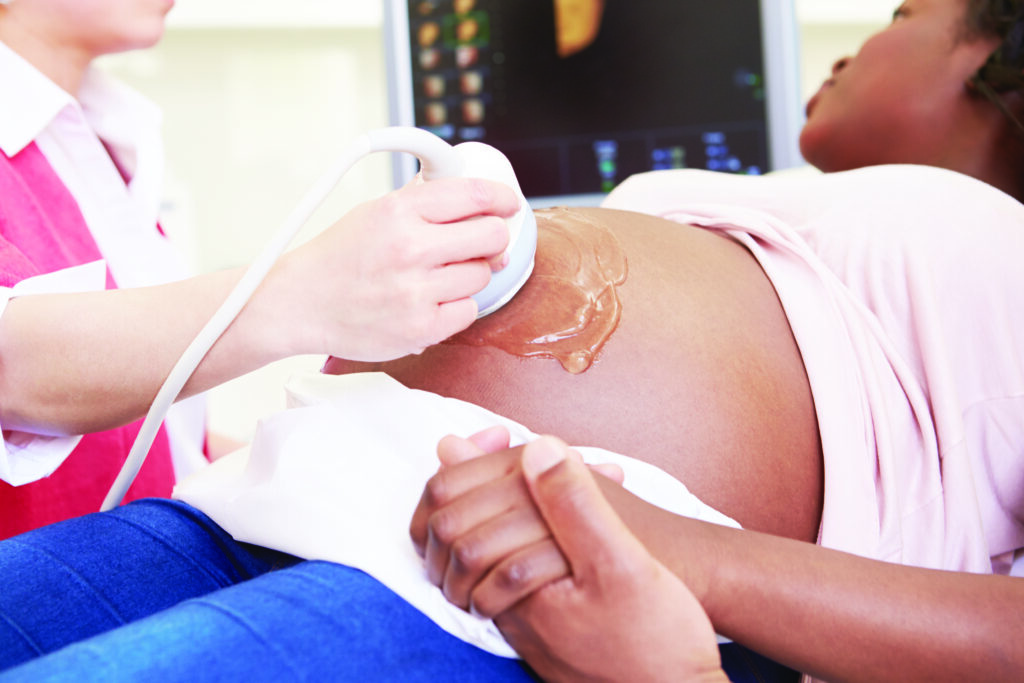
Early diagnosis is the best line of defence against the complications of ectopic pregnancy. A transvaginal ultrasound scan and blood tests measuring human chorionic gonadotropin (hCG) levels are typically used to detect ectopic pregnancies.
“Sometimes, the pregnancy is already ruptured by the time the woman presents to the hospital. By then, it may be too late, and the woman could suffer haemodynamic or haemorrhagic shock due to excessive internal bleeding.
In such emergencies, swift diagnosis and treatment can save the mother’s life.
Treatment, surgical Options
In cases where the ectopic pregnancy has already ruptured, immediate surgery is necessary.
“We typically use laparoscopic surgery, also known as keyhole surgery, where small incisions of 1–2 centimetres are made to insert scopes and instruments,” explains Ssekyanzi.
This minimally invasive approach allows surgeons to remove the ectopic tissue and stop the bleeding with minimal trauma to the surrounding organs.
“If the pregnancy is unruptured, we may excise the affected section of the tube or extract the pregnancy intact using laparoscopic techniques,” he says. “In some cases, lope surgery can also be performed.”
In remote or under-resourced healthcare settings where laparoscopy is not available, an open surgery known as an exploratory laparotomy is performed instead.
“The key is to remove the ectopic tissue before it causes further damage,” Ssekyanzi emphasises.
Medical management
If the ectopic pregnancy is detected early, before rupture and with low hormone levels, medical treatment using methotrexate may be an option. This drug stops the growth of the embryo, allowing the body to absorb the tissue naturally.
“Medical treatment is suitable for women who are haemodynamically stable, have minimal symptoms, and whose pregnancy is less than six to seven weeks along,” he says.
However, close follow-up is essential to ensure the treatment is successful and that no further complications arise.
Ectopic pregnancy remains a serious reproductive health concern for many women, especially in settings with limited access to early diagnosis and specialised care. While it can be emotionally and physically traumatic, with timely intervention and proper management, many women go on to conceive successfully again.
Ultimately, increased awareness, preventative care, and access to quality medical services can help reduce the incidence and impact of this silent but dangerous condition.